
Last updated November 20, 2026
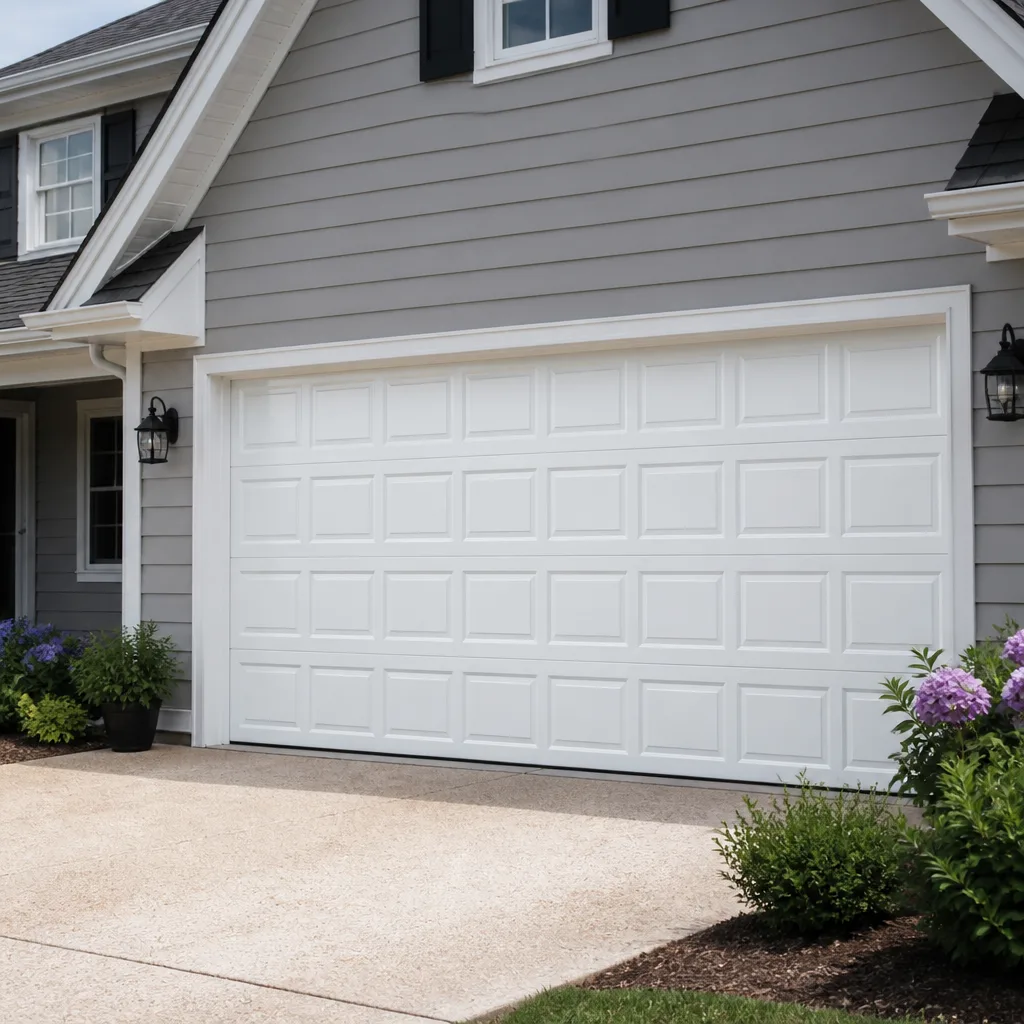 Raised-panel steel
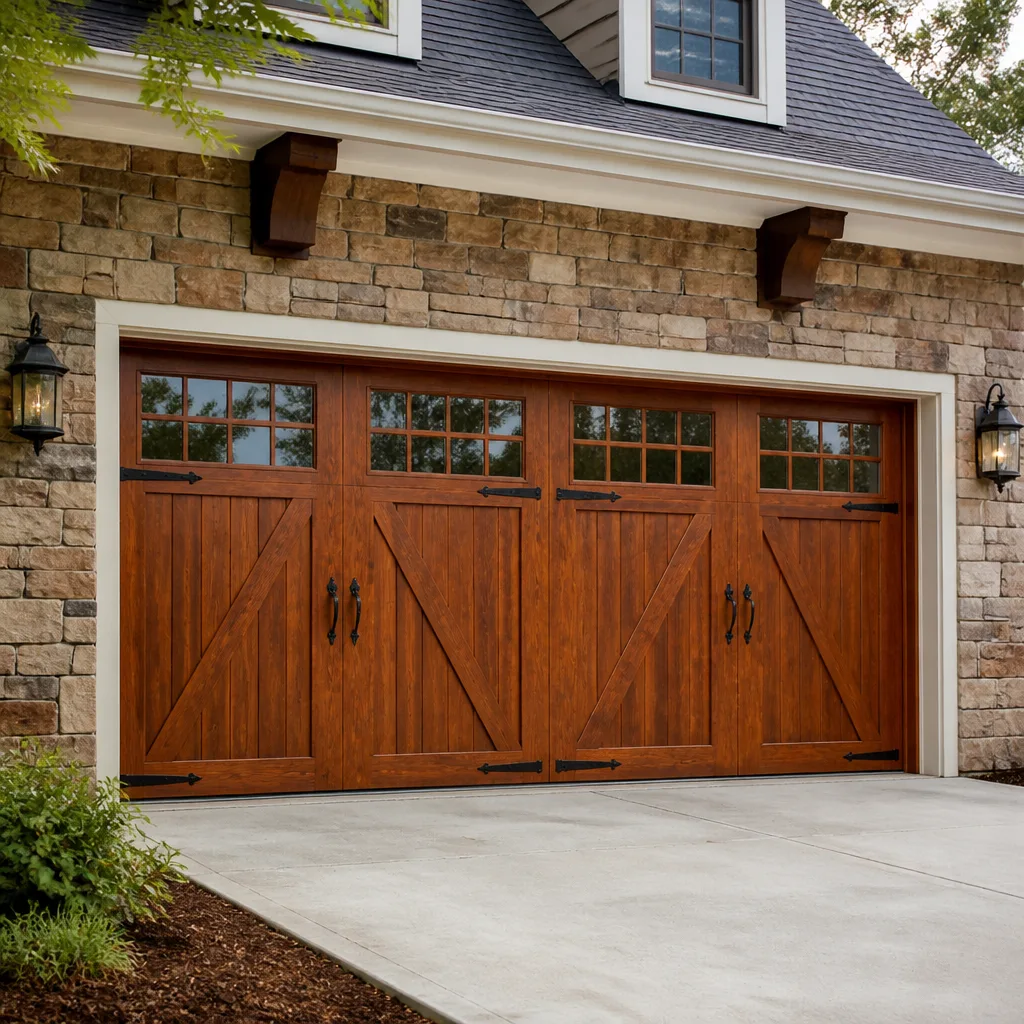 Carriage house
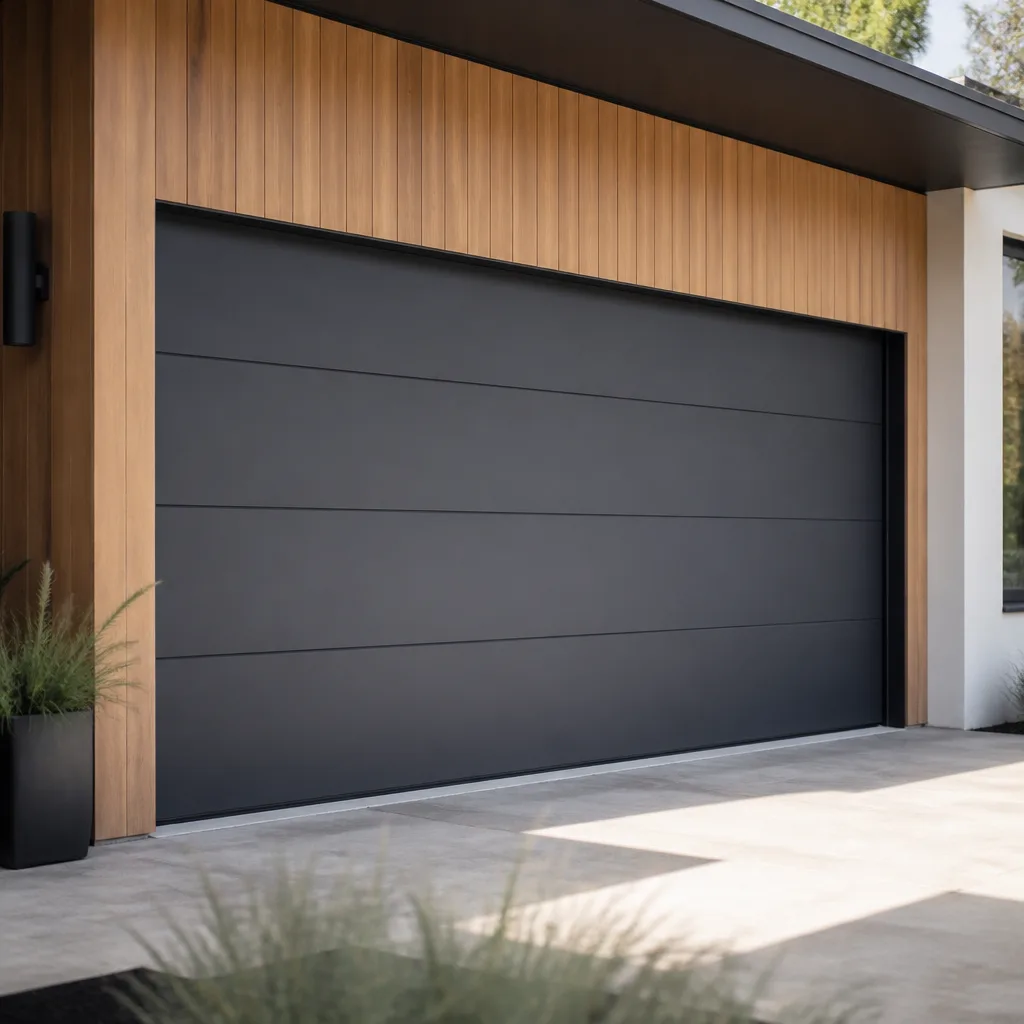 Modern flush
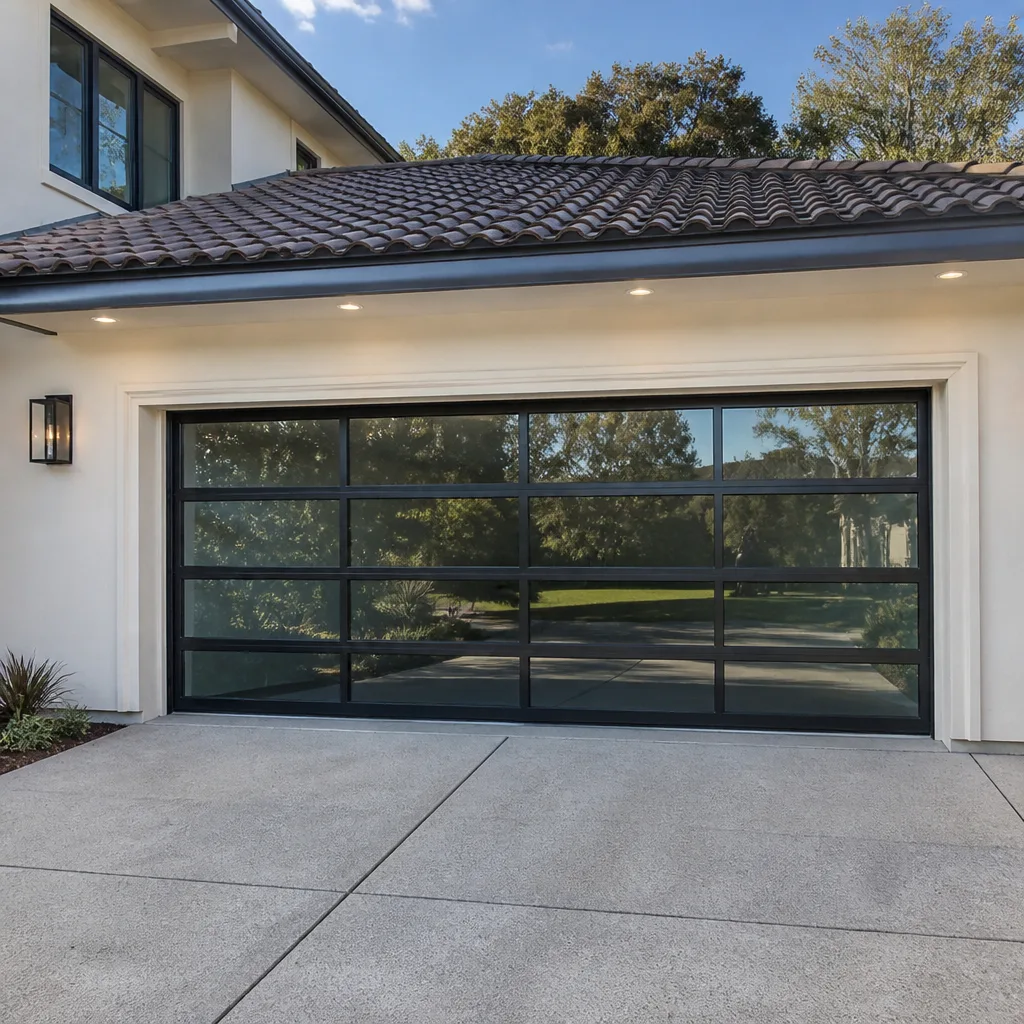 Full-view glass
 LiftMaster openers
 Chamberlain openers
Full 25-point door and opener safety check with every visit - springs, cables, rollers, tracks, and your LiftMaster or Chamberlain opener included
You get a price before we start. It does not change when the pro arrives.
Get your free estimateGarage Door Permits, Codes & Inspections in College Hill, OH: What You Need to Know
Here’s the part most homeowners miss: a garage door replacement can trigger two separate layers of review in Cincinnati, not one. The building permit is the layer everyone knows about. The second layer is the historic review that kicks in when a property sits inside or next to an overlay district, and College Hill has more of that geography than people assume. A door that’s perfectly legal to install in one block can require a different color, a different material, and a different panel profile two streets over. This guide walks through when a permit is required, when a swap counts as maintenance, how Ohio Residential Code treats springs and opener safety features, who should pull the permit, and how to confirm inspection sign-off is documented so it never surfaces at a future closing. Mention it once here and we’ll say it plainly: get the paperwork right before the door goes up.
Quick Answer
In College Hill and the rest of Cincinnati, a like-for-like garage door replacement (same size, same opening, no structural changes) is usually treated as maintenance and often does not require a building permit, while any change to the opening, the header, the track layout, or the electrical circuit for a new opener typically does. If the property is in or next to a historic or design-review district, an additional review of door style, material, and color may apply even when no building permit is needed. Confirm the specific requirements with the City of Cincinnati’s building department and the relevant design review body before you order a door.
Styles & brands we work with
- Raised-panel steel
- Carriage house
- Modern flush
- Full-view glass
- LiftMaster openers
- Chamberlain openers
Table of Contents
- When does a garage door replacement need a permit in College Hill?
- Historic overlay districts and how they affect your door choice
- What Ohio Residential Code expects from springs, openers, and bottom seals
- Who pulls the permit: contractor or homeowner?
- How the inspection actually goes
- Documenting sign-off so it never bites you at closing
- Repair, replace, or leave it alone: deciding what’s worth permitting
- How to find the right answer for your specific address
When does a garage door replacement need a permit in College Hill?
The honest answer is that it depends on what’s actually changing, not on the door itself. Most permit offices draw a line between swapping a component and altering a structure, and garage doors land on both sides of that line depending on the job.
Here’s how the distinction usually plays out:
- Like-for-like replacement (usually maintenance, usually no permit): same rough opening, same width and height, same track configuration, same spring type in the same location, no framing changes. The new door goes onto existing hardware or onto hardware of identical dimensions.
- Structural or opening change (usually permitted): widening or heightening the opening, replacing or modifying the header, moving the track, changing from a single door to a double, or converting a manual door to an automatic one on a circuit that doesn’t exist yet.
- Electrical work (usually permitted): adding a new circuit or outlet for an opener. If the outlet is already there and you’re swapping an opener into it, that’s typically a component replacement. Running new wire is not.
- Historic or design review (separate from the building permit): a review that applies to what the door looks like, independent of whether it’s structural.
What trips people up in College Hill is assuming the two layers are the same layer. A homeowner can correctly conclude no building permit is needed, order a door, and still be out of step with a design review requirement that applies to their block. The reverse happens too: someone assumes a design review covers everything and skips the building permit on a job that did alter the opening.
We’ve walked plenty of College Hill homeowners through this, and the pattern is consistent. The permit question is about structure and electrical. The historic question is about appearance. They’re answered by different offices, and one does not satisfy the other. When you’re planning a straightforward replacement and want to know what the job itself involves, our garage door repair page covers the mechanical side of it.
Historic overlay districts and how they affect your door choice
College Hill sits close enough to locally designated historic districts and design-review areas that a door selected for looks alone can run into a wall of paperwork. This is the piece competitors skip, and it’s the piece most likely to cost you time.
Design review, where it applies, is concerned with what’s visible from the street. That generally means:
- Door style and panel profile: raised-panel versus flush versus carriage-house styling. A district with a strong architectural character often expects a profile that reads as consistent with the surrounding housing stock.
- Material: steel, aluminum, wood, and composite each read differently on a facade. Some review bodies have preferences; others only ask that the material not call attention to itself.
- Color: this is where most rejections happen. A color that’s fine on a modern subdivision door can be out of place on a street of older homes.
- Window inserts and glazing: whether the door has them, how many, and whether they’re obscured or clear.
None of this means you’re stuck with a door you don’t want. It means the door selection has to happen before the order, not after. A design review that comes back asking for a different color after the door has shipped is an expensive conversation.
What Ohio Residential Code expects from springs, openers, and bottom seals
Ohio Residential Code governs the safety-critical parts of a garage door system, and those requirements matter at inspection time even when the door replacement itself didn’t need a permit. Three components carry most of the weight.
Torsion and extension springs
Springs are the most dangerous part of a garage door. They store enough energy to cause serious injury when they fail or when someone tries to handle them without the right training and tools. Any spring work should involve a trained technician, and a proper installation includes containment measures so a broken spring doesn’t become a projectile. This is a safety-critical component of the trade, not a homeowner project, and it’s the single most common place where we see doors that were assembled incorrectly.
Opener safety features
Automatic openers are required to have entrapment protection. In practice that means a functioning photoelectric eye pair at the opening and a pressure-sensing or equivalent reversal feature in the operator itself. If you’re installing a new opener, the safety hardware has to be present, mounted correctly, and wired to actually interrupt the close cycle. We work across LiftMaster, Chamberlain, Genie, and Craftsman operators, and the pattern is the same on all of them: the opener gets blamed for a reversed or stuck door when the real problem is a misaligned eye or a bypassed safety circuit.
Bottom seal and weather sealing
The bottom seal is a weather and pest barrier, and a worn or missing one lets water, air, and small animals into the garage. On a door replacement, the seal should be new and in contact with the floor across its full width. A gap at one corner is a common inspection note and an easy fix if it’s caught before the technician leaves.
Our technicians have up to 14 years of experience with these systems, and the detail we’d flag for any College Hill homeowner heading into an inspection is this: the safety features are the ones an inspector will actually test. Not the paint. Not the panel count. The reversal and the seal.
Who pulls the permit: contractor or homeowner?
Either can pull a permit in most Ohio jurisdictions, but the choice shifts liability in ways that aren’t obvious until something goes wrong. Here’s the practical breakdown.
- The contractor pulls the permit. The licensed trade professional becomes the party of record with the jurisdiction. Inspections are scheduled in their name, corrections route back to them, and the final sign-off is tied to their work. If an issue surfaces later, there’s a documented responsible party. This is the cleaner option on any job with structural or electrical scope.
- The homeowner pulls the permit as an owner-builder. You can do this on work you’re performing on your own home in many jurisdictions. The catch is that you become the party of record. You schedule the inspections. You receive the correction notices. And you carry the responsibility if the work doesn’t pass. On a garage door replacement where a technician is doing the labor, that’s a mismatch worth avoiding.
- Nobody pulls the permit. This is the option that causes trouble years later. Unpermitted structural or electrical work can be flagged during a title search or a buyer’s inspection, and it becomes your problem to resolve at the worst possible moment.
Our recommendation is straightforward: if a permit is required, the professional doing the work should be the one who pulls it. That keeps the party of record aligned with the party who actually performed the installation. When you’re weighing a repair against a full replacement, our garage door installation page explains what each scope of work involves so you can judge which one you’re actually dealing with.
How the inspection actually goes
The inspection is shorter than most homeowners expect, and it’s focused on safety and code compliance rather than finish quality. Knowing what the inspector checks helps you understand what your technician is doing on install day.
- The inspector confirms the permitted scope. What was approved is what got built. A door installed to different dimensions than the permit describes is a correction.
- Safety reversal is tested. The opener’s response to an obstruction at the floor is verified. This is the check most likely to fail and the easiest to prepare for.
- The photoelectric eyes are checked. Height, alignment, and function. A beam that’s mounted too high or blocked by a stored item will fail.
- Springs and hardware are visually assessed. Containment, mounting, and general condition. This is a safety review, not a teardown.
- The bottom seal is checked against the floor. Gaps at the corners get noted.
- Electrical connections are confirmed. On a new opener circuit, the inspector looks at how the opener is powered and whether the work matches the permit.
- The final sign-off is issued. This is the document that matters later, and it’s the one people forget to keep.
For a routine replacement with no structural change, none of this is likely to come up. For anything touching the opening or the electrical, plan for one inspection visit and expect it to be scheduled after the work is complete.
Documenting sign-off so it never bites you at closing
Title companies and buyer’s inspectors increasingly flag unpermitted work, and a garage door isn’t exempt from that scrutiny. The fix is simple and almost nobody does it: keep the paper.
What’s worth keeping together in one folder, digital or physical:
- The permit number and the approved scope of work, if a permit was pulled.
- The inspection sign-off or final approval document.
- The written estimate and invoice showing the scope of work performed.
- Manufacturer documentation for the door and the opener, including the model numbers.
- Photographs of the installation, including the spring system, the safety eyes, and the bottom seal.
That folder answers the question before it’s asked. When a buyer’s agent asks whether the garage door was permitted, you hand over a document instead of a shrug. In a College Hill market where older homes change hands regularly, that’s worth ten minutes of filing.
Same principle applies to repair work. A spring replacement or a garage door opener repair may not need a permit, but the invoice and the model numbers are still useful if the next owner wants to match parts or confirm what’s installed. Our garage door repair College Hill overview covers the full range of what we handle when a door stops working.
Repair, replace, or leave it alone: deciding what’s worth permitting
Not every garage door problem needs a permit conversation, and knowing which category you’re in saves time and money. Here’s how we’d sort it.
- Broken spring: repair, no permit. Springs are a component. This is the highest-risk repair in the trade and should always go to a specialist.
- Opener failure or replacement with an existing outlet: repair or component swap, usually no permit. If new wiring is needed, that changes.
- Panel damage from an impact: depends. A single panel replacement on existing hardware is usually maintenance. A full section replacement that involves the track or framing may not be.
- Full door replacement, same opening: usually maintenance from a building permit standpoint, but check the historic overlay question before you order.
- Opening modification or new construction: permitted, no question.
The practical takeaway: repair work almost never triggers a permit, and replacement work depends on whether the structure changes. If you’re unsure which side of the line your job falls on, that’s a five-minute question for the building department, not a gamble.
How to find the right answer for your specific address
Every address in College Hill has a specific answer, and it’s more reliable than any general guide, including this one. Here’s the sequence we’d suggest.
- Call the City of Cincinnati building department with your address and a description of the scope. Ask directly whether a permit is required and what the review path is.
- Ask whether the property is in or adjacent to a historic or design-review district. This is a separate question and a separate office. Have your address ready.
- Get the answer in writing if you can. An email confirming the determination is worth more than a phone note when a buyer’s inspector asks later.
- Have your door spec ready before you call. Width, height, material, color, and whether you’re changing the track or the opening. The answer often hinges on those details.
- Confirm the sign-off process. Who schedules the inspection, what the final document looks like, and where it gets filed.
This is the part where a local specialist saves you real time. We work on Craftsman and Raynor systems alongside the more common brands, we’ve been through the measure-and-order process on College Hill homes across a range of housing stock, and we can tell you what your job looks like mechanically before you make the permit call. The permit answer is the city’s to give. The scope of work is ours to describe accurately.
Common Mistakes to Avoid
- Assuming a like-for-like swap definitely needs a permit. It often doesn’t, and paying for a permit you don’t need slows the job down. But the reverse assumption is worse, so verify rather than guess in either direction.
- Ordering the door before checking historic overlay requirements. In College Hill, a color or material that doesn’t pass review means a re-order, and that’s the expensive version of the mistake.
- Letting the homeowner pull the permit on work a technician performs. You become the party of record, you schedule the inspections, and you own the corrections. It’s the wrong party in the wrong seat.
- Losing the inspection sign-off. Title companies flag unpermitted work, and the document is the only thing that resolves the question cleanly.
- Skipping the safety eye check after a new opener install. A misaligned or bypassed photoelectric eye is the most common reason a door fails inspection, and it’s a two-minute fix if it’s caught.
- Treating spring work as a DIY job. Springs store dangerous energy and failure can cause serious injury. This is the one component on the whole system that most clearly belongs to a trained professional.
- Assuming the bottom seal is cosmetic. A gap at the corner is a weather, pest, and inspection issue all at once, and it’s cheap to get right on install day.
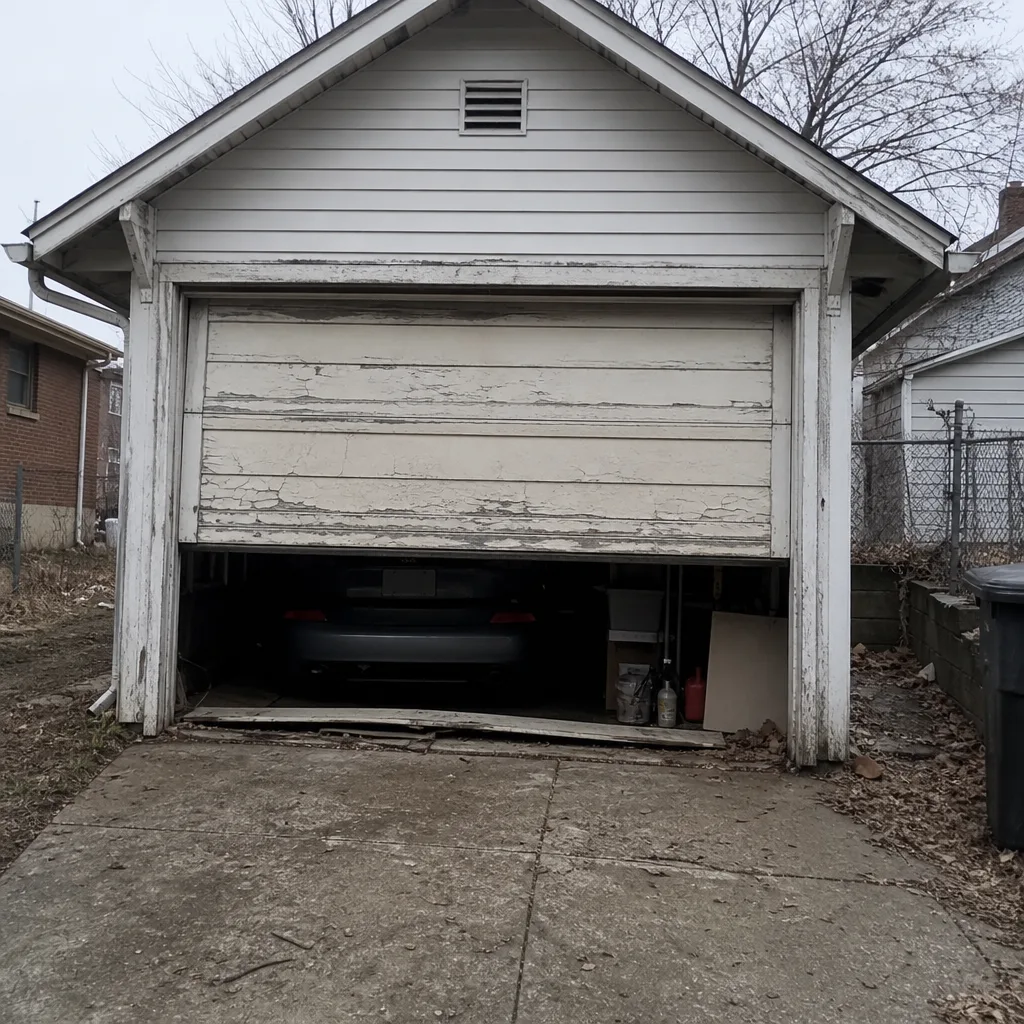
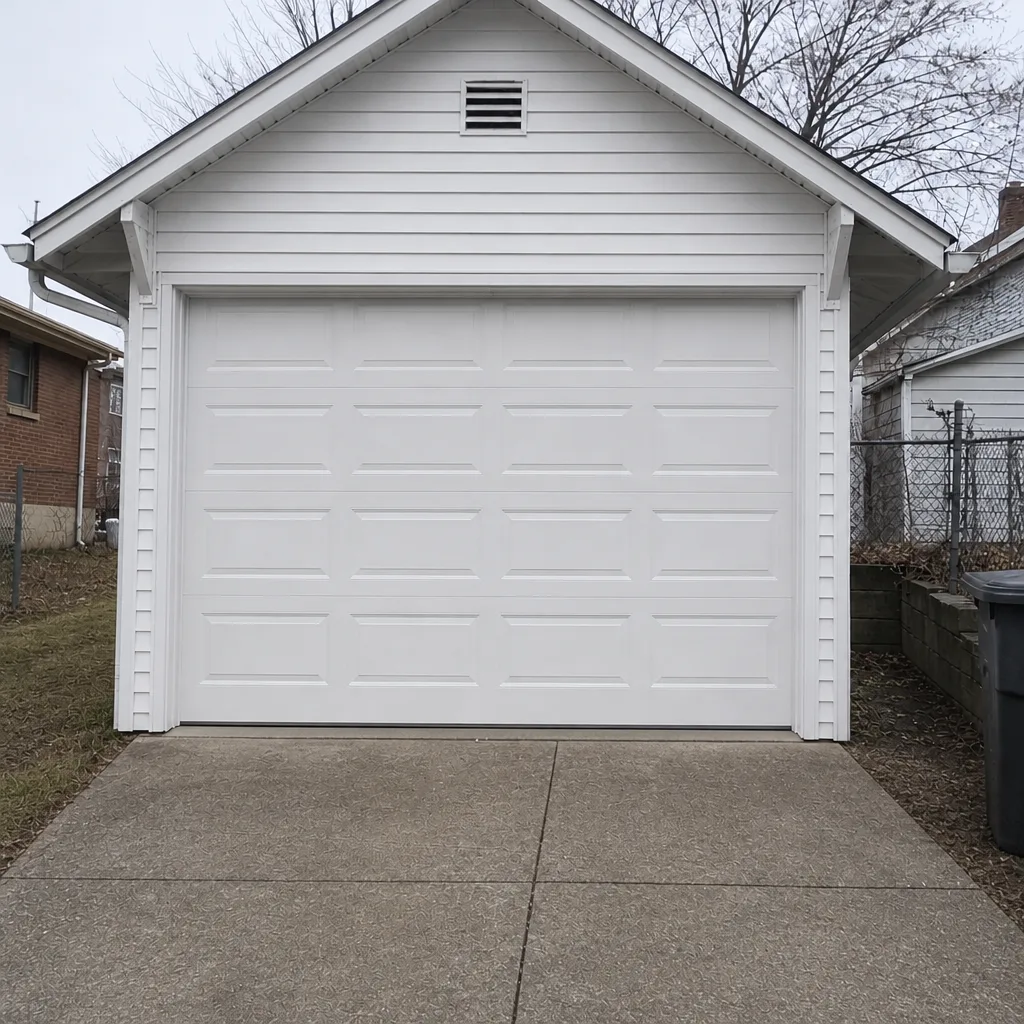
See the difference
 Before
 After
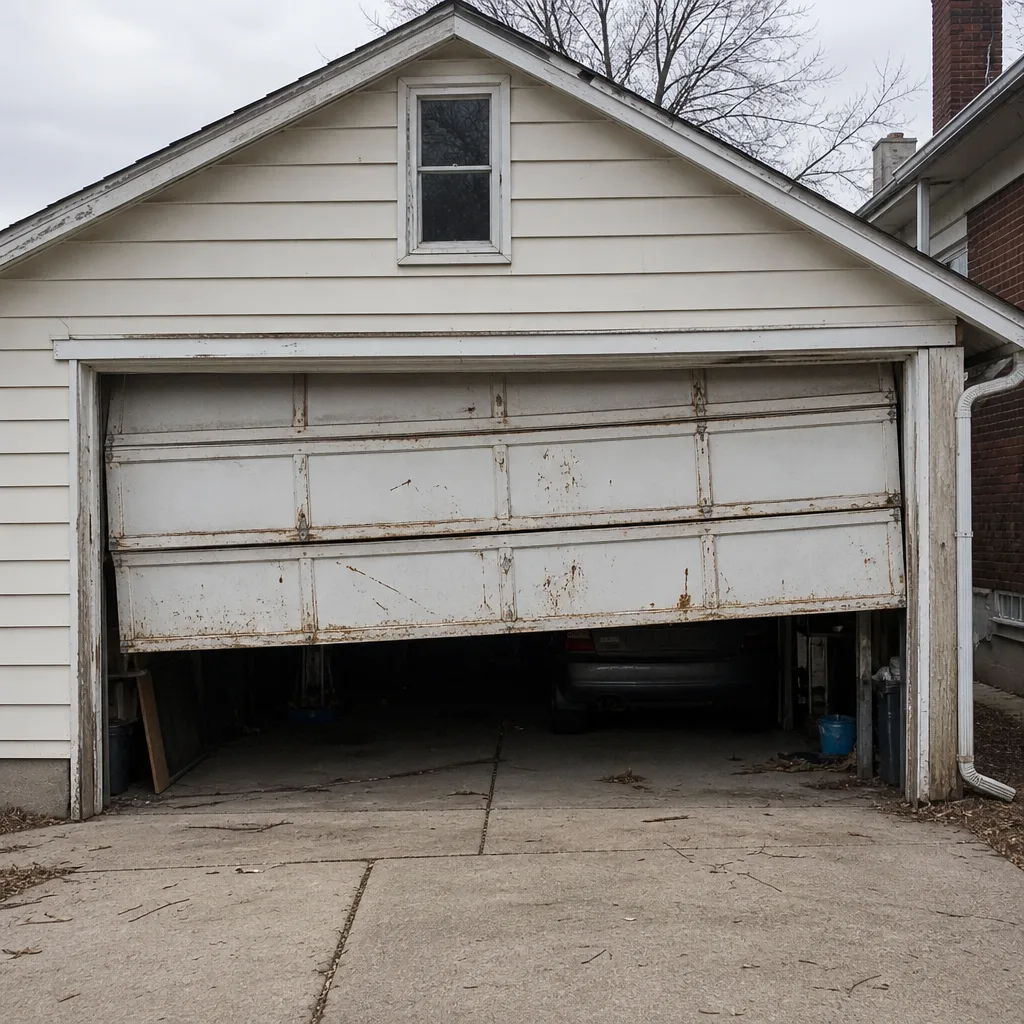 Before
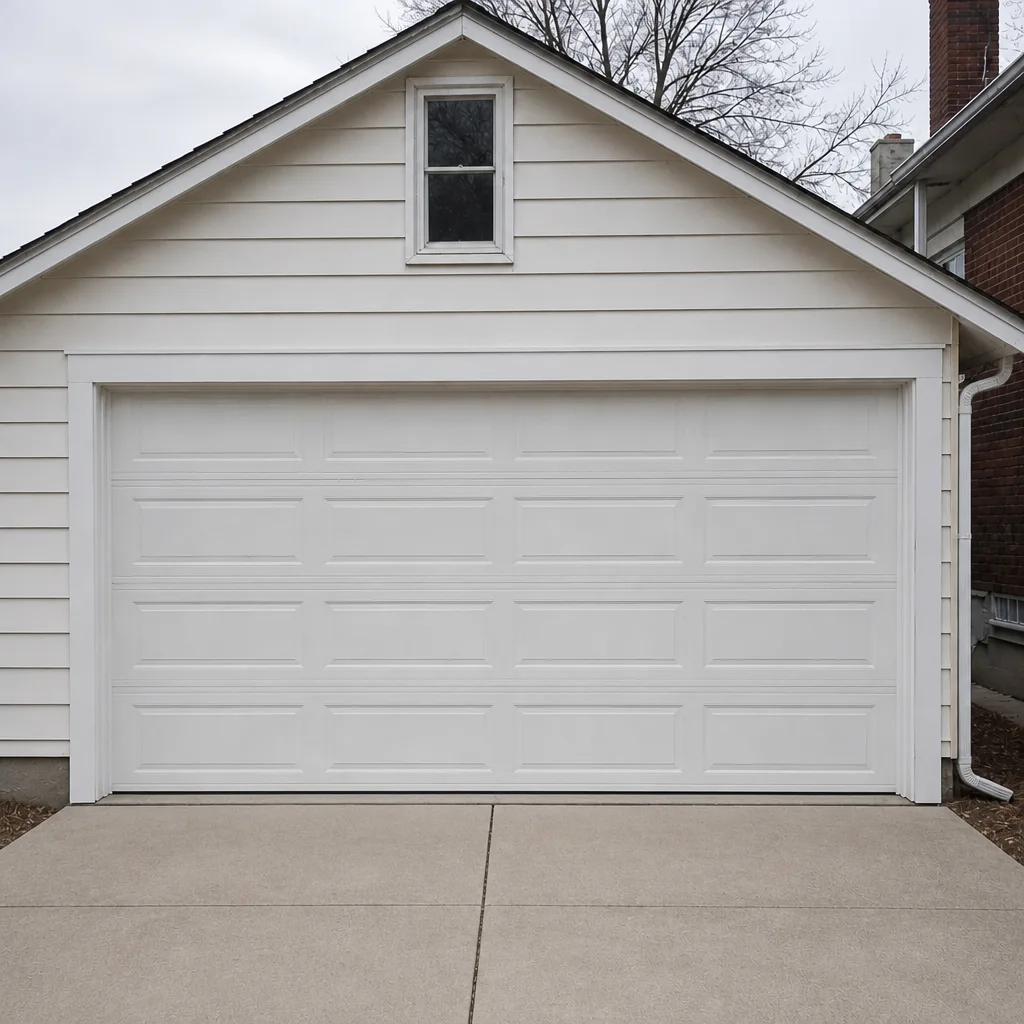 After
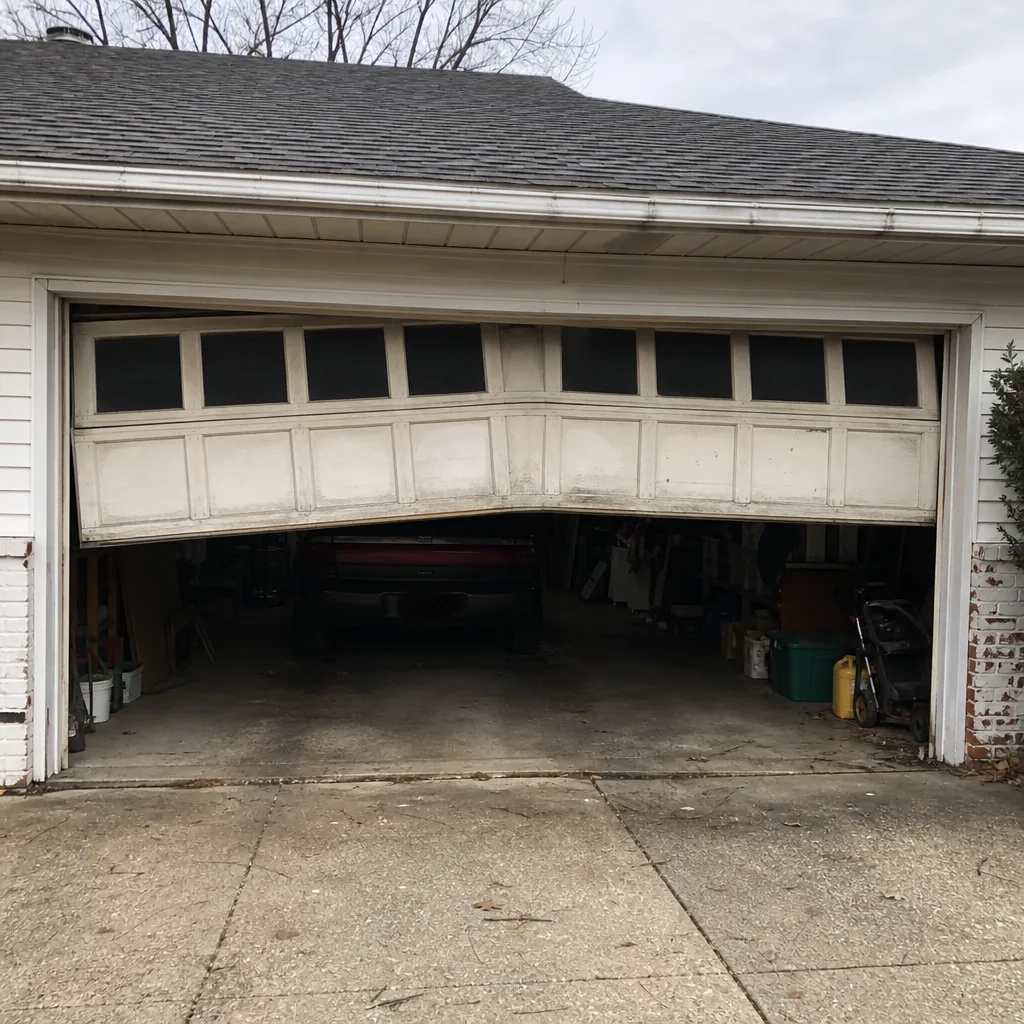 Before
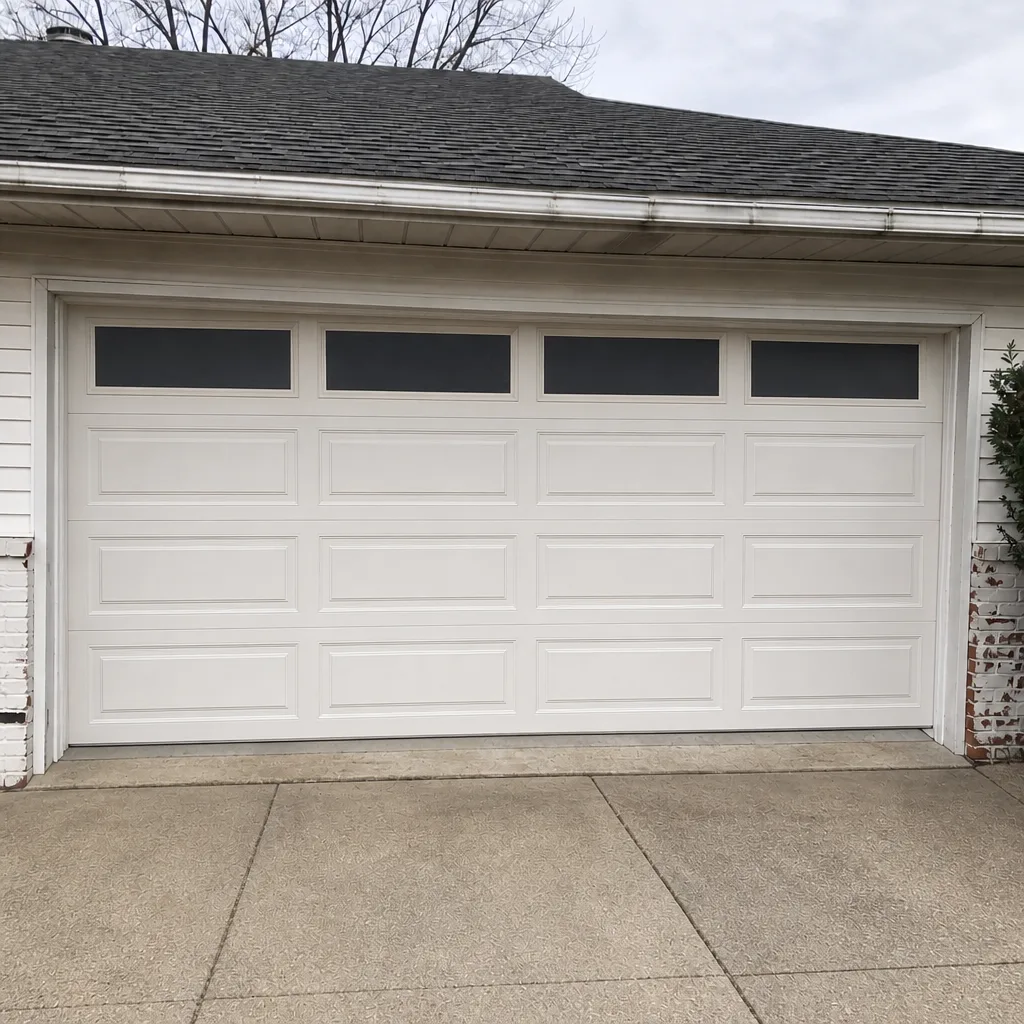 After
When to Call a Professional
Call a professional when the door involves springs, when the opener’s safety features aren’t behaving, when a panel or track is damaged in a way that affects how the door travels, or when you’re planning a replacement and want the scope described accurately before you talk to the city. Spring work in particular is the category where we’d never suggest a homeowner attempt it. The stored energy in a torsion or extension spring can cause serious injury, and the tools and training required aren’t things most people have on hand. Garage Door Repair College Hill offers free estimates in College Hill. Call (866) 401-7447. We answer 24/7, and fast dispatch runs from 7am to 7pm, Sunday through Friday.
Frequently Asked Questions
Usually not, if it’s a true like-for-like replacement with no change to the opening, track, framing, or electrical circuit. A permit is typically required when the opening is modified, the header changes, or a new circuit is run for an opener. Confirm with the City of Cincinnati building department for your address, since the answer depends on scope rather than on the door itself. Call (866) 401-7447 if you want the scope described before you make that call. Estimates are free.
It depends on whether your property is in or adjacent to a design-review district, and that’s a question for the local review body, not something a general guide can answer for your block. Where it applies, the review covers visible features: door style, panel profile, material, color, and window inserts. Check before you order, because a rejection after the door ships is a re-order. Call (866) 401-7447 for a free estimate once you know what’s allowed.
Either the contractor or the homeowner can pull it in most Ohio jurisdictions, but the party of record carries the responsibility. If the contractor pulls it, inspections and corrections route to them. If the homeowner pulls it as an owner-builder, the homeowner schedules the inspections and owns the corrections, even when a technician performed the labor. We’d suggest letting the professional who does the work pull the permit. Call (866) 401-7447 to talk through a job.
Safety reversal at the floor, photoelectric eye alignment and function, spring containment and mounting, the bottom seal against the floor, and whether the installed work matches the permitted scope. Electrical connections get reviewed on a new opener circuit. Finish quality isn’t the focus. The visit is short and the safety checks are the ones that matter. Call (866) 401-7447 for a free estimate before you schedule anything.
We don’t publish a fixed price because the door, the opening, and the scope of work vary too much by property. What we do is measure, quote in writing, and agree the price before any work starts, so the invoice matches the estimate. Any permit fees the city charges are separate from the installation price. Call (866) 401-7447 for a free estimate on your specific door. We’ll tell you what the scope involves.
The door becomes a safety problem rather than a convenience problem. Springs store dangerous energy, and an incorrectly matched or improperly contained spring can fail suddenly. A trained technician checks wire size, cycle rating, and containment on every spring job. If you’re unsure what’s on your door, have it looked at before you use it. Call (866) 401-7447 for a free estimate and a straight assessment.
The Bottom Line
Two layers of review apply in College Hill, and they’re answered by different offices. The building permit is about structure and electrical: like-for-like replacements usually don’t need one, and anything that changes the opening, the track, or the wiring usually does. Design review is about appearance, and it can apply to door style, material, and color even when no building permit is needed. If a permit is required, the professional doing the work should pull it, so the party of record matches the party who installed the door. Keep the sign-off in a folder. Ten minutes of filing protects you at closing, and it’s the single cheapest step in this whole process.
Written by the team at Garage Door Repair College Hill.