
Last updated November 20, 2026
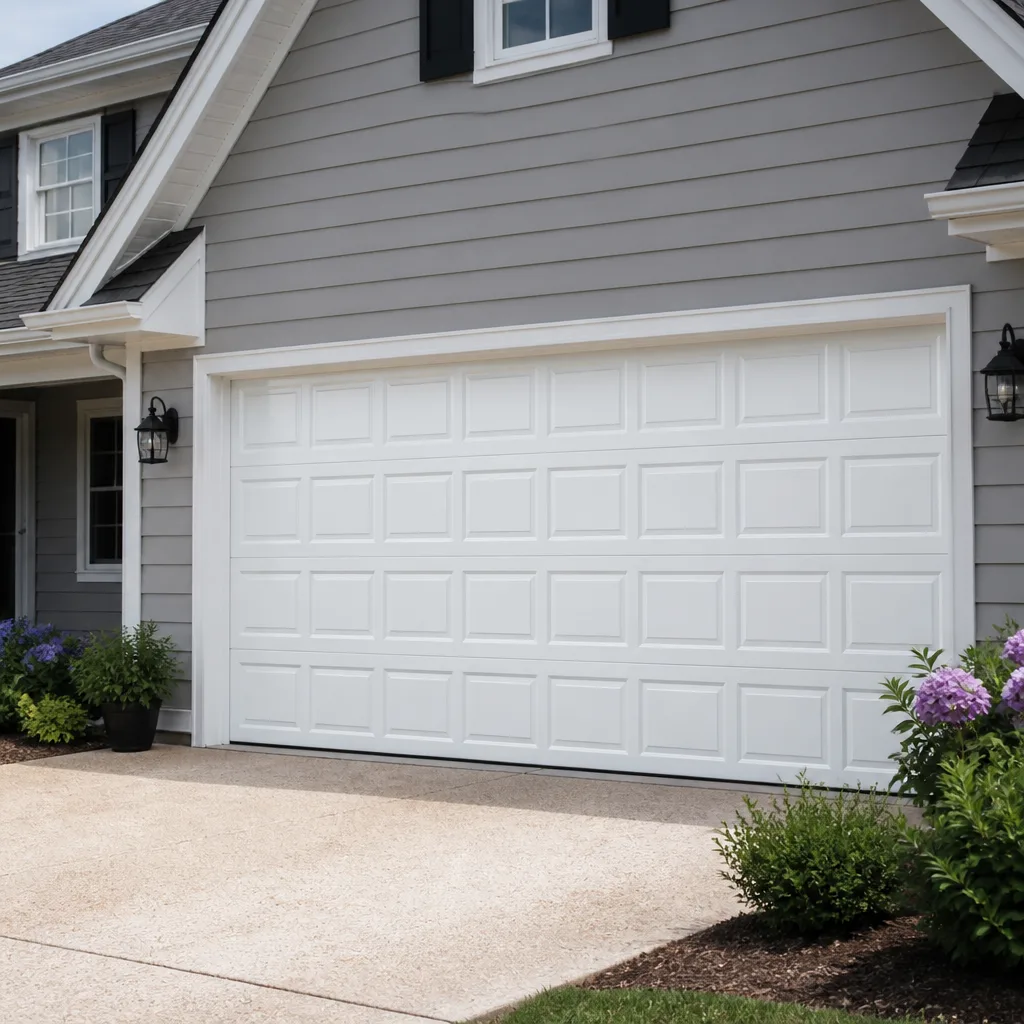 Raised-panel steel
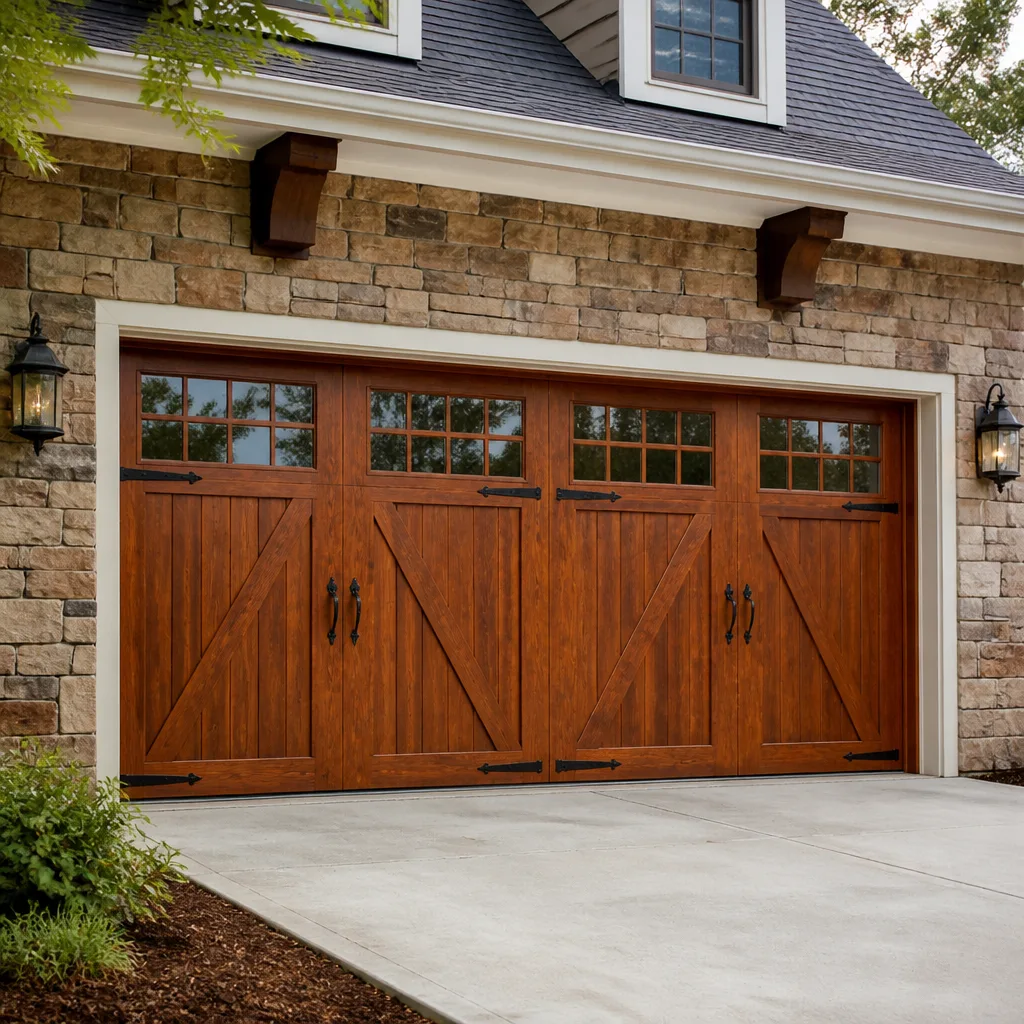 Carriage house
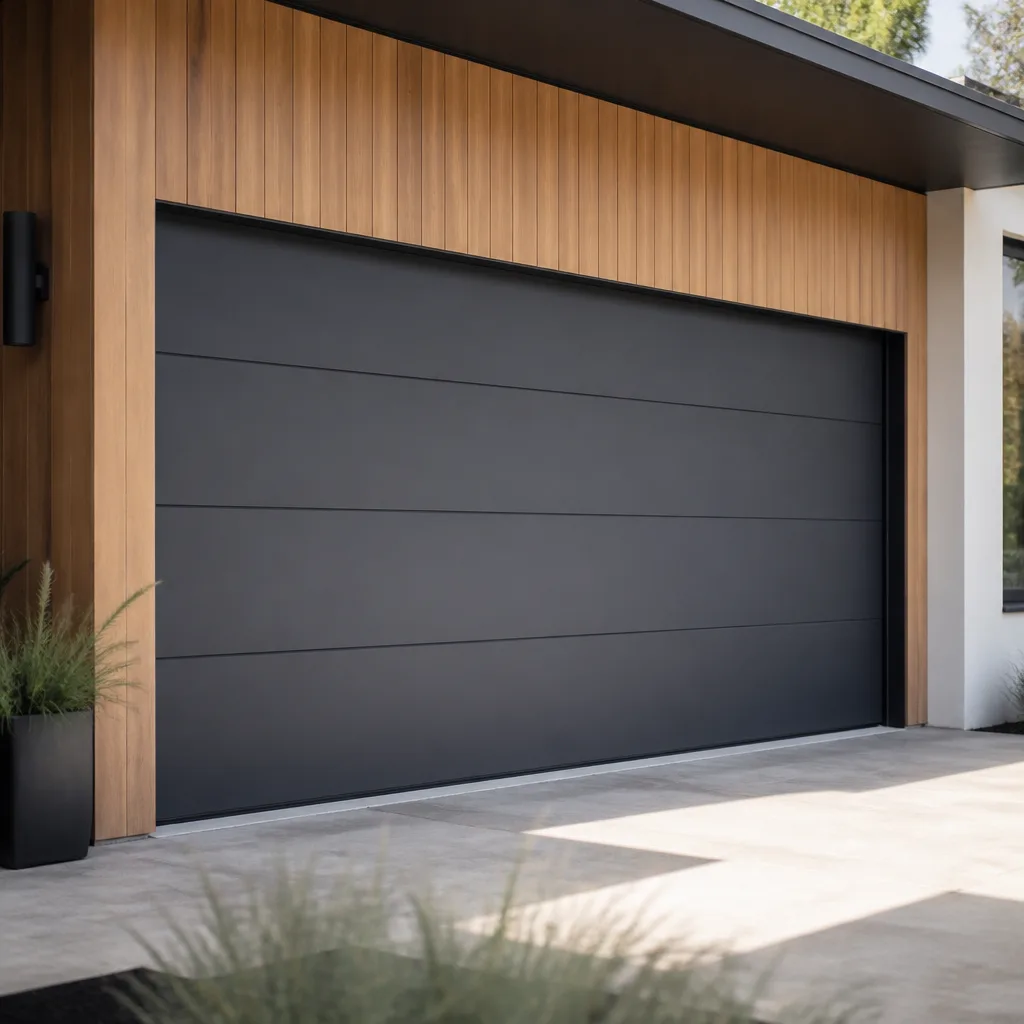 Modern flush
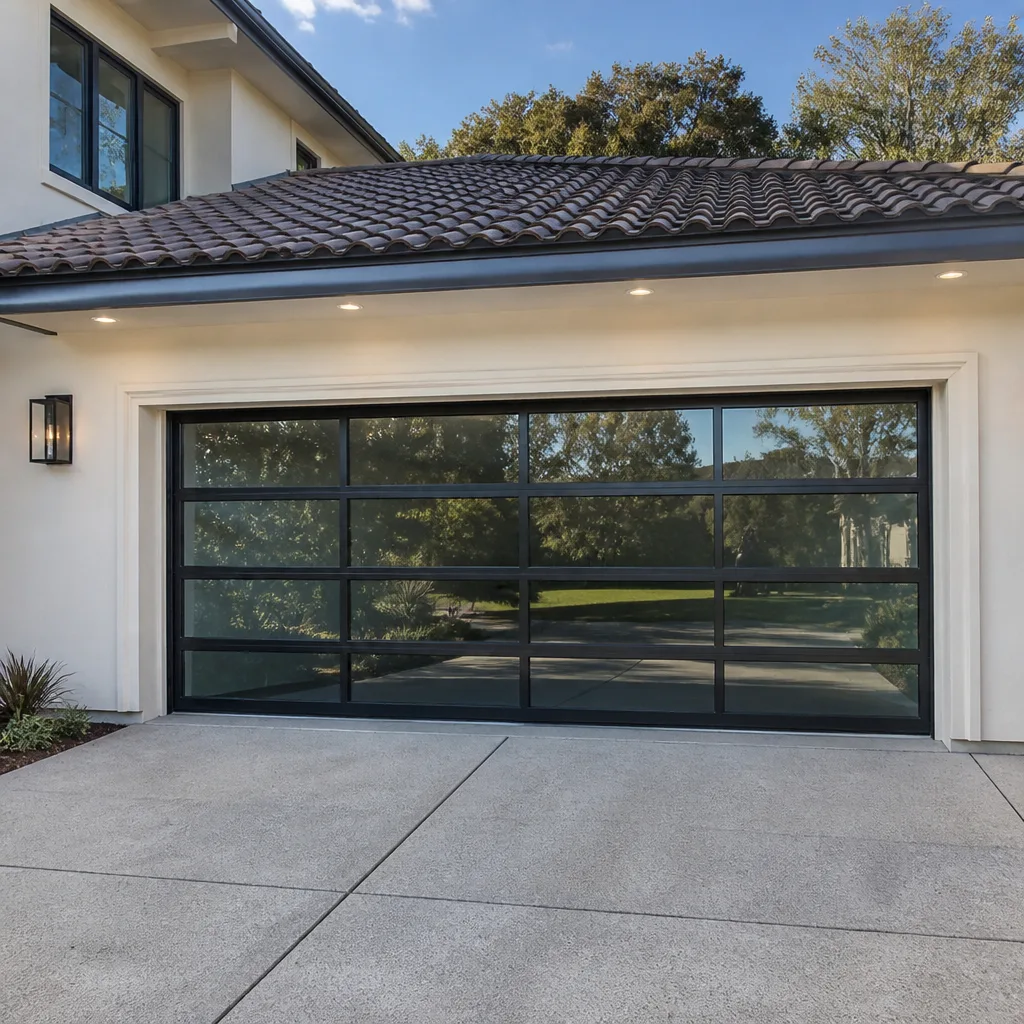 Full-view glass
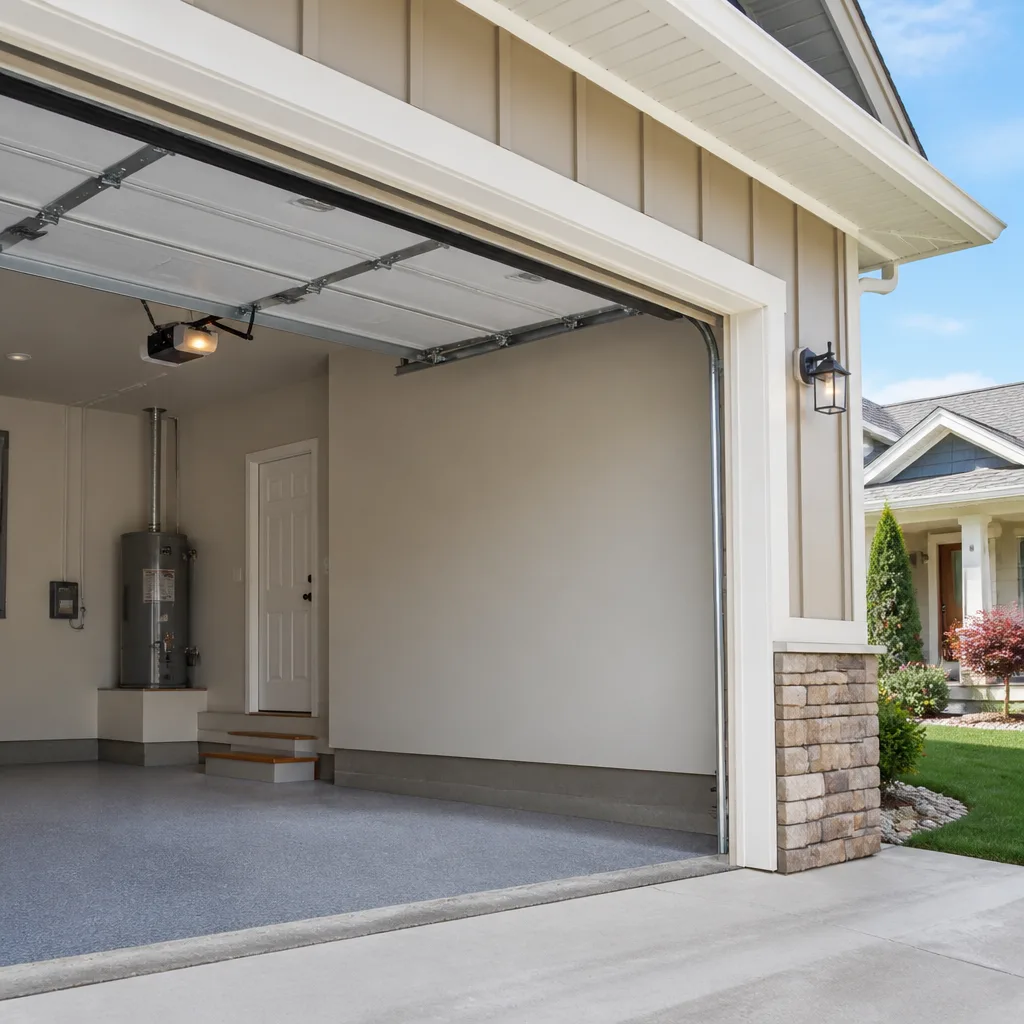 LiftMaster openers
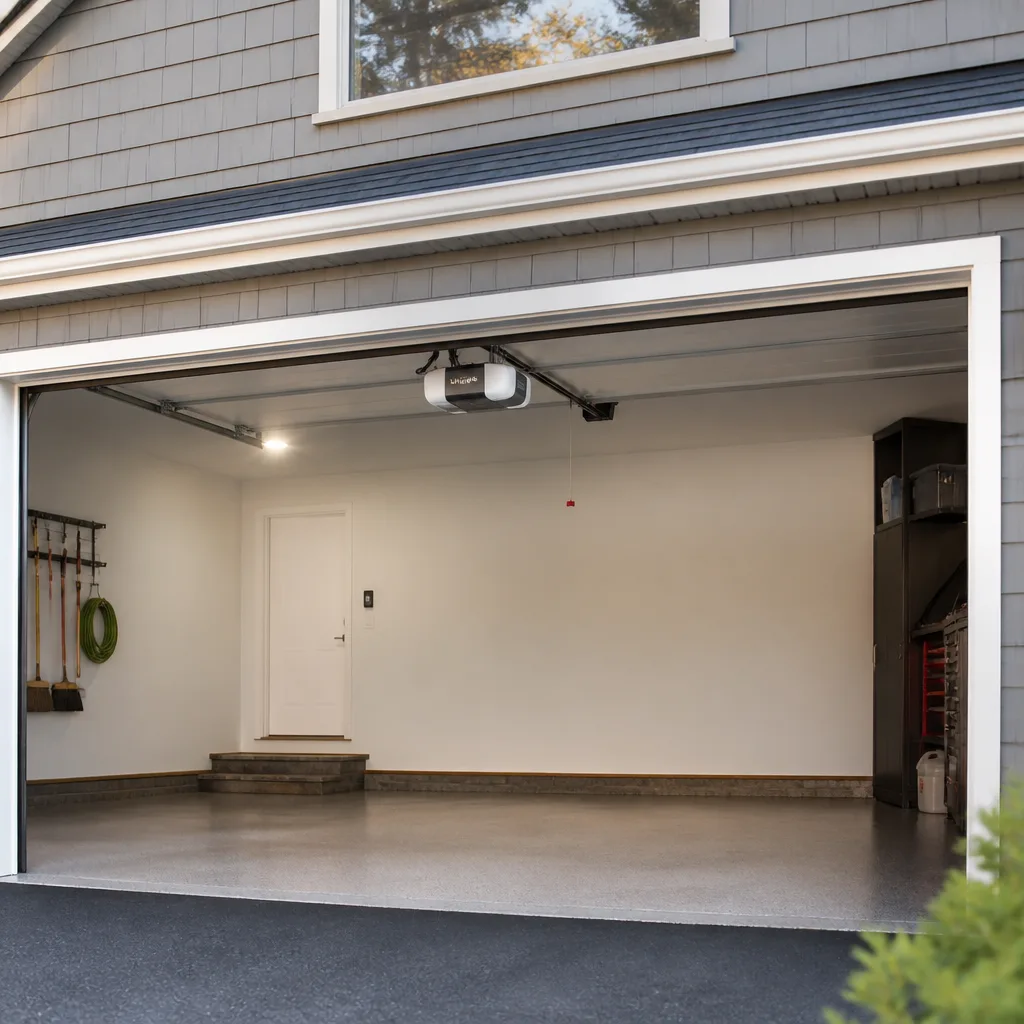 Chamberlain openers
Full 25-point door and opener safety check with every visit - springs, cables, rollers, tracks, and your LiftMaster or Chamberlain opener included
You get a price before we start. It does not change when the pro arrives.
Get your free estimateThe Complete Guide to Garage Doors in College Hill
Most garage door guides you’ll find online were written for a 2004 suburban tract home with a wide, flat driveway and a builder-grade opening. College Hill isn’t that neighborhood. This part of Cincinnati has one of the highest concentrations of pre-1970 detached garages anywhere in the city, and many of them sit on alley access with tight aprons, low headers, and door openings that simply don’t match what a national brand considers “standard.” That gap – between what’s sold and what’s actually standing behind these houses – causes more confusion, wasted money, and bad installations than any other factor we see. This guide maps every decision a College Hill homeowner faces: how your house’s era shapes your door size, which openers actually suit detached and alley-access garages, how to tell whether an old opening needs structural work before a new door goes in, and the cost thresholds that make repair, replacement, or an opener-only upgrade the rational choice.
Quick Answer
Garage door decisions in College Hill come down to matching your door and opener to the house you actually have, not a catalog average. Mid-century ranches, older detached two-car garages, and newer infill builds here each call for different sizing, header clearance, and opener drive types. Repair a single failed component when the door and structure are sound, replace the door when panels, tracks, or the opening itself are compromised, and upgrade the opener alone when the door is fine but the motor is tired or app-connected control matters to you. The right answer depends on era, opening condition, and access – and every price should be a free written estimate set before any work begins.
Styles & brands we work with
- Raised-panel steel
- Carriage house
- Modern flush
- Full-view glass
- LiftMaster openers
- Chamberlain openers
Table of Contents
- How College Hill’s Housing Eras Shape Your Garage Door
- Door Sizing and Header Clearance: What Pre-1970 Garages Get Wrong
- Alley-Access and Detached-Garage Opener Types That Actually Work
- Brand Compatibility Reality Check
- Does Your Older Opening Need Structural Work First?
- The Repair vs. Replace vs. Opener-Only Decision Tree
- Springs and Safety: The Part That Deserves a Specialist
- When to Call a Professional
How College Hill’s Housing Eras Shape Your Garage Door
College Hill’s housing stock runs in clear bands, and each band comes with its own garage door assumptions baked in. Understanding which band your house falls into tells you more about your door than any brochure will. The three you’re most likely to run into are below.
1920s-1940s builds
These tend to be single-bay or tightly-built detached garages set back off the alley. The openings are narrow by modern standards, and the headers are often shallower than what a contemporary door manufacturer expects. You’ll sometimes find doors that were originally swing-out or one-piece tilt designs before someone converted them to sectional. Sizing here is rarely off-the-shelf.
1950s-1970s ranches and two-car detached garages
This is the dominant pattern in much of College Hill. The garages are roomy for their time, often detached and alley-fed, with a single wide door or two individual doors. Header height is usually workable, but the framing and track mounting can be showing age after decades of freeze-thaw cycles. These houses are where a lot of “standard” doors almost fit – and almost is where problems start.
Newer infill builds
Where newer construction has filled in, you’ll find tighter two-car attached garages with openings closer to current manufacturer standards and wiring designed with modern openers in mind. These are the easiest installations in the neighborhood, but they’re the minority of College Hill’s garage doors.
The bottom line for any of these eras: measure before you shop. A door that fits a 1990s ranch in the suburbs may not fit a 1958 detached garage on your block. We work with garage door installation across all three eras, and the first thing that happens on any job is a real measurement of the opening, the header, and the mounting points – not a guess from a model number.
Door Sizing and Header Clearance: What Pre-1970 Garages Get Wrong
Standard modern door widths exist for a reason – they match standard modern openings. Many College Hill garages were built before that standardization settled in, which means the opening you have may not be a standard width, and the header above it may be lower than a current door’s track and hardware require. Here’s what actually needs checking before any installation conversation goes anywhere.
- Measure the opening width at its narrowest point. Old framing moves. A door that clears the widest point can still bind on the tightest one.
- Check header height and structural clearance. A sectional door needs room for the track curve and the horizontal tracks to run back into the garage. Low headers compress that space and limit which doors will work.
- Look at the ceiling and backroom depth. Torsion and extension spring setups and the opener rail all need space behind the door. A shallow, low-roofed detached garage may rule out certain configurations entirely.
- Verify the jamb and mount points are solid. Decades-old wood can be sound to the eye and loose under a load. Track brackets and spring plates carry real force.
- Confirm the floor transition. Alley-fed garages often have aprons that slope or step. The door needs to seal against the floor, not float above it.
If any of these checks come back marginal, that’s not a reason to walk away – it’s the reason to have someone measure in person. A free written estimate is where these numbers become a door size you can actually order.
Alley-Access and Detached-Garage Opener Types That Actually Work
Here’s a pattern specific to College Hill that generic opener guides ignore: a large share of these garages are detached and alley-fed, which changes which opener drive types make sense. An opener isn’t just a convenience – in a detached garage you’re relying on it to control who gets in and out, often from a car that’s parked in an alley rather than a wide suburban driveway.
- Belt-drive openers are the quiet choice and the right pick when a garage shares a wall or sits close to living space. They handle the vibration of older framing better than chain drives.
- Chain-drive openers are the workhorses for standalone detached garages where noise doesn’t matter and durability is the priority. In a College Hill alley garage with no neighbor wall to disturb, a chain drive is a solid, unglamorous choice.
- Screw-drive openers sit in between – fewer moving parts than a chain, steadier than some belt units, and a reasonable fit for alley-access garages where the door cycles a lot.
- Jackshaft (side-mount) openers matter when header clearance is tight, which is exactly the situation in a pre-1970 College Hill garage. Mounting to the side frees up the overhead space a rail opener would need.
Smart, app-connected openers are worth considering here for a practical reason: if your garage faces an alley and isn’t visible from the house, being able to check and control it from your phone is genuinely useful, not a gimmick. We repair openers across the major smart and legacy brands, so whether you’re keeping an older unit running or moving to an app-connected one, the troubleshooting knowledge is the same. When a motor stops doing what it should, garage door opener repair is often the cheapest fix on the whole property.
Brand Compatibility Reality Check
One question comes up constantly: “Is my equipment something you can actually work on?” The honest answer for most College Hill homeowners is yes, because the major residential systems here are well inside what we service. We work on Clopay, Amarr, Wayne Dalton, Craftsman, LiftMaster, Chamberlain, Genie, and Raynor – eight brands that cover nearly every door and opener you’ll find behind these houses.
What that means in practice:
- Clopay and Amarr doors are common on College Hill homes and are servable for panels, springs, tracks, and full replacement.
- Wayne Dalton systems turn up throughout the neighborhood and are straightforward to repair and replace.
- Craftsman and LiftMaster openers, both legacy and newer smart units, are everyday work for us – electronics, gears, sensors, and remotes.
The reality check cuts one way: if your equipment is from one of those eight brands, you don’t need to wonder whether a technician has seen it before. If it’s an off-list brand, that’s a conversation worth having before anyone starts work, and we’ll tell you honestly what we can and can’t support. Multi-brand fluency is the whole point – you shouldn’t have to source a company that happens to specialize in your one brand. It’s also why we handle the full scope from a single broken spring to a full new door: when a repair turns into a replacement decision, you don’t need to call a second company. For the everyday fixes that keep a College Hill door moving, that starts with garage door repair College Hill.
Does Your Older Opening Need Structural Work First?
Before any new door goes onto a pre-1970 College Hill garage, someone needs to answer an uncomfortable question: is the opening itself sound enough to carry a door? A sectional door and its hardware put concentrated load on the header, jambs, and track mounts. If that framing has been quietly failing for years, a new door won’t fix it – it’ll stress it.
What a proper check looks like:
- Inspect the header for sag or cracks. A header that’s deflecting tells you the structure above has been working too hard for a long time.
- Check the jambs for rot and movement. Soft wood at the mount points can’t hold spring plates or track brackets safely.
- Look at the track alignment against the opening. If the old track was shimmed to compensate for an out-of-plumb opening, the new install inherits the same problem unless the cause is addressed.
- Confirm the mounting surface behind the spring plate. This is where the highest loads concentrate; it needs to be solid.
- Decide what’s structural and what’s trade. Genuine structural repair belongs with a contractor; the door and its hardware belong with a garage door specialist. Knowing which is which keeps you from overpaying or under-fixing.
In our experience, many older College Hill openings need only minor reframing or new mount points, not a rebuild. But that call has to be made in person, with the door off the opening, not from a phone description.
The Repair vs. Replace vs. Opener-Only Decision Tree
This is the decision that matters most, and it’s where people overspend in both directions – replacing a door that only needed a spring, or throwing money at repairs when replacement was the cheaper long game. Here’s the reasoning we’d walk you through, laid out so you can see the logic.
Step 1: What actually failed?
If the door itself opens and closes smoothly by hand and only the motor, sensors, gears, or remote are misbehaving, the problem is the opener. That points to opener repair or replacement, not a new door.
Step 2: Is it the door mechanism, or the door?
Grinding, binding, a door that’s gone crooked, or one panel that’s dented or cracked is a door-mechanism problem – springs, cables, rollers, tracks, or a single panel. All of these are repair work when the rest of the door is sound.
Step 3: Is the door or opening beyond saving?
Multiple rusted or bent panels, a badly out-of-square opening, tracks that can’t be re-aligned, or a door so old that parts come from nowhere – these tip toward replacement. Replacement also makes sense when the structure is fine but you want a modern door with better sealing and safety features.
Step 4: Match the cost threshold to the choice
The rational line is straightforward, even though the exact numbers are always set per job by a free written estimate:
- Opener-only upgrade when the door is healthy and you want smart control, quieter operation, or more reliable daily use – the smallest spend of the three.
- Repair when a single component has failed on an otherwise sound door – springs, cables, rollers, opener gears, sensors.
- Replacement when repair costs start climbing toward the price of a new door, or when several components are failing at once, or when the opening itself needs work that a repair won’t touch.
Every price is quoted and agreed before any work starts, so you never walk into a number you didn’t sign off on. That single rule removes most of the stress from this decision.
Springs and Safety: The Part That Deserves a Specialist
Garage door springs store a large amount of energy, and they’re the most dangerous part of the whole system. A torsion or extension spring under tension can cause serious injury if it’s handled without the right tools and the right training – this is not a component to test or adjust yourself. If a spring is broken, has lost tension, or your door suddenly feels extremely heavy or won’t stay up, stop operating it by hand and get a trained professional out.
In our experience, spring work is where the difference between a garage door specialist and a general handyman shows most clearly. It takes specialized tools, a proper understanding of torsion versus extension systems, and the judgment to recognize when a cable or drum issue is hiding behind a spring failure. College Hill’s older detached garages often have spring setups that date back decades, and their condition matters as much as their type. Spring repair is a core service for us precisely because it’s the job that most rewards real trade depth – and it’s the reason we never treat a garage door like a general home repair. For anything involving a broken spring, that’s squarely garage door repair territory, not a weekend project.
See the difference
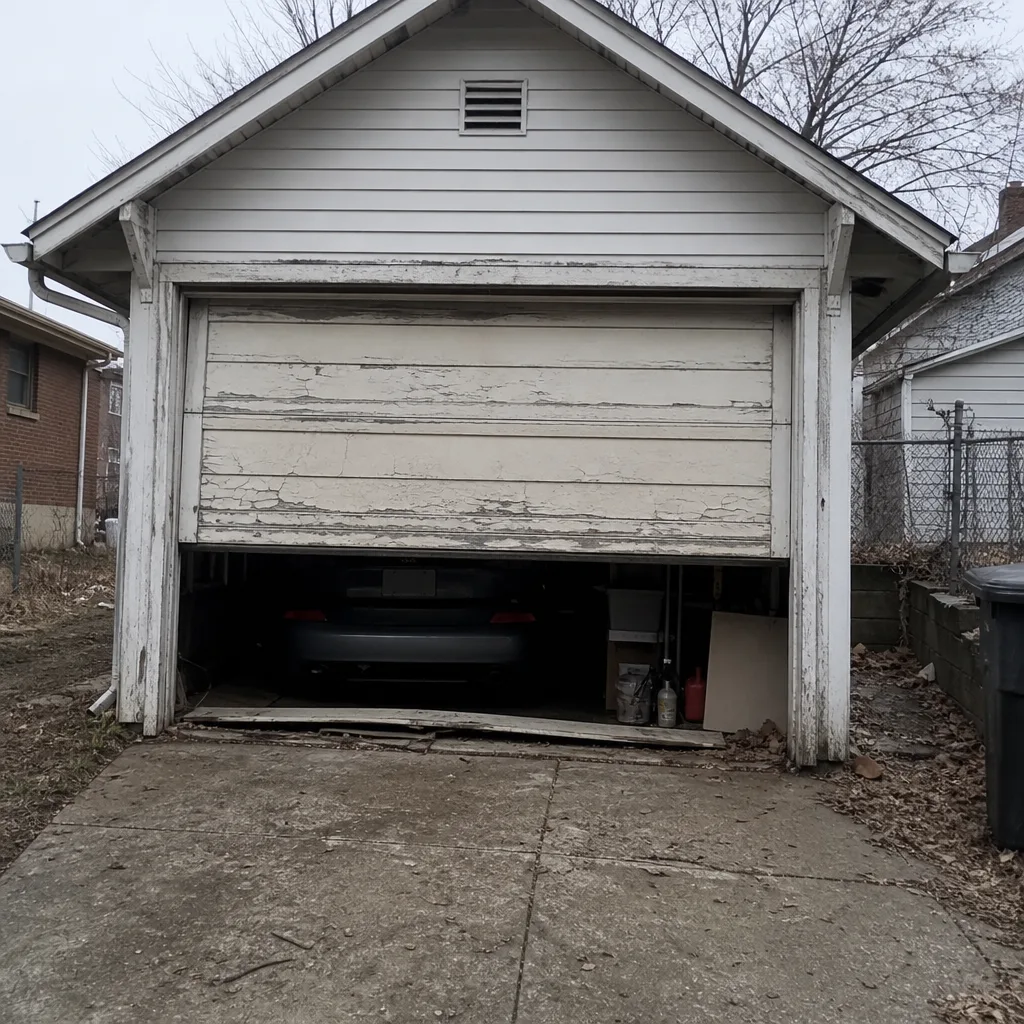 Before
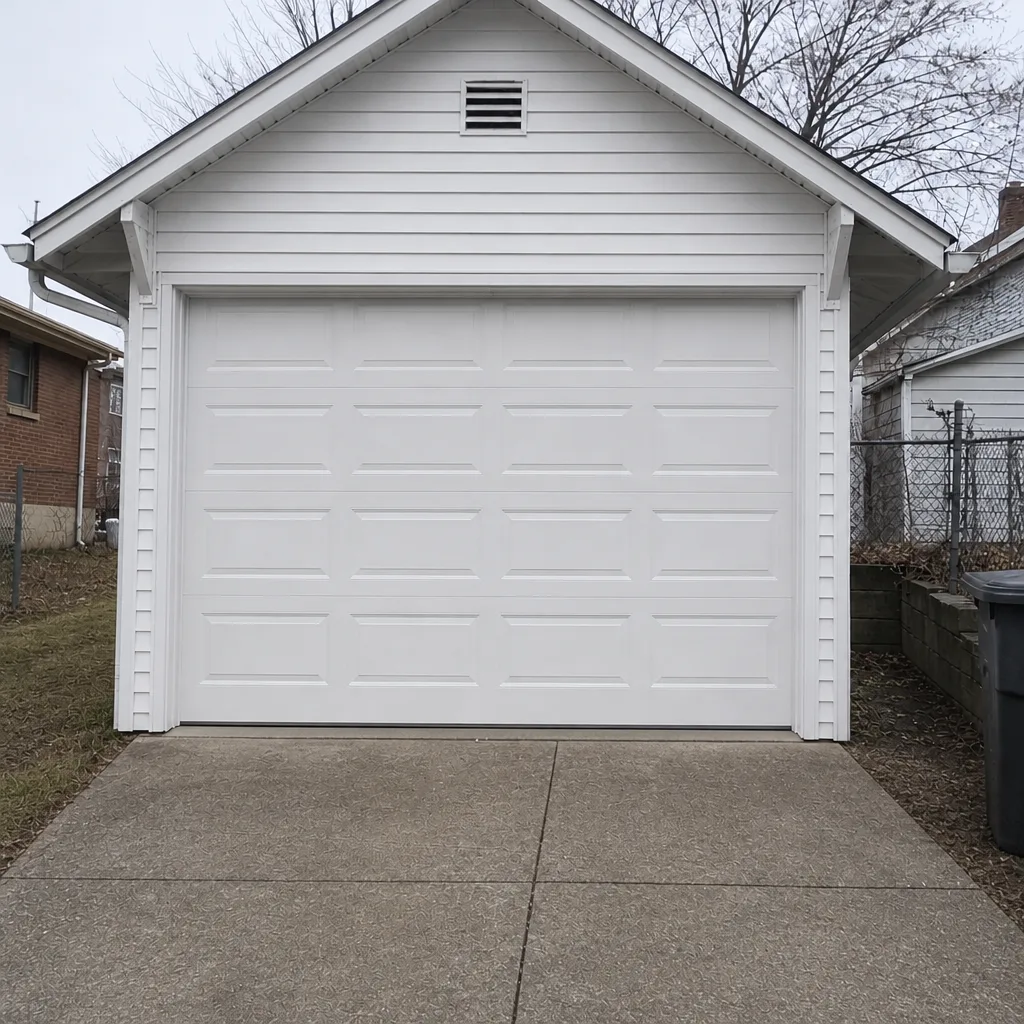 After
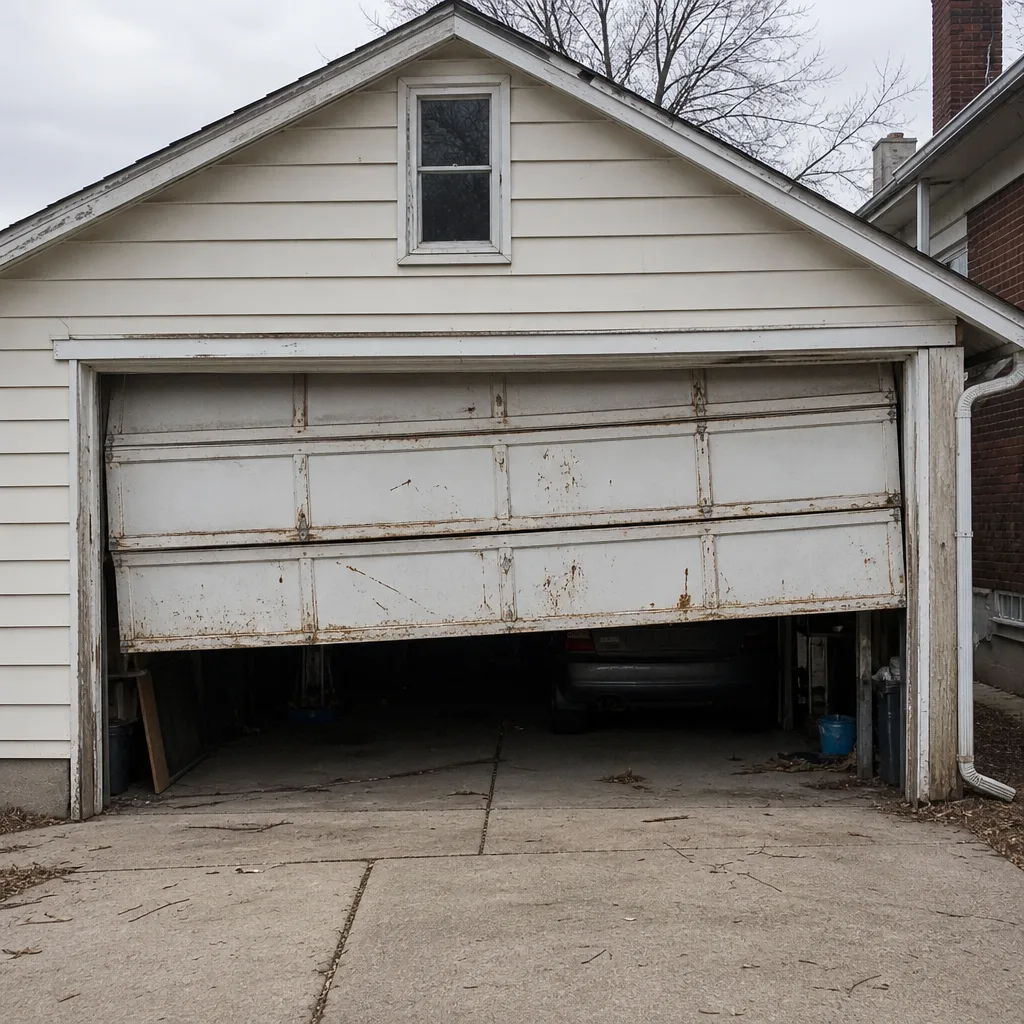 Before
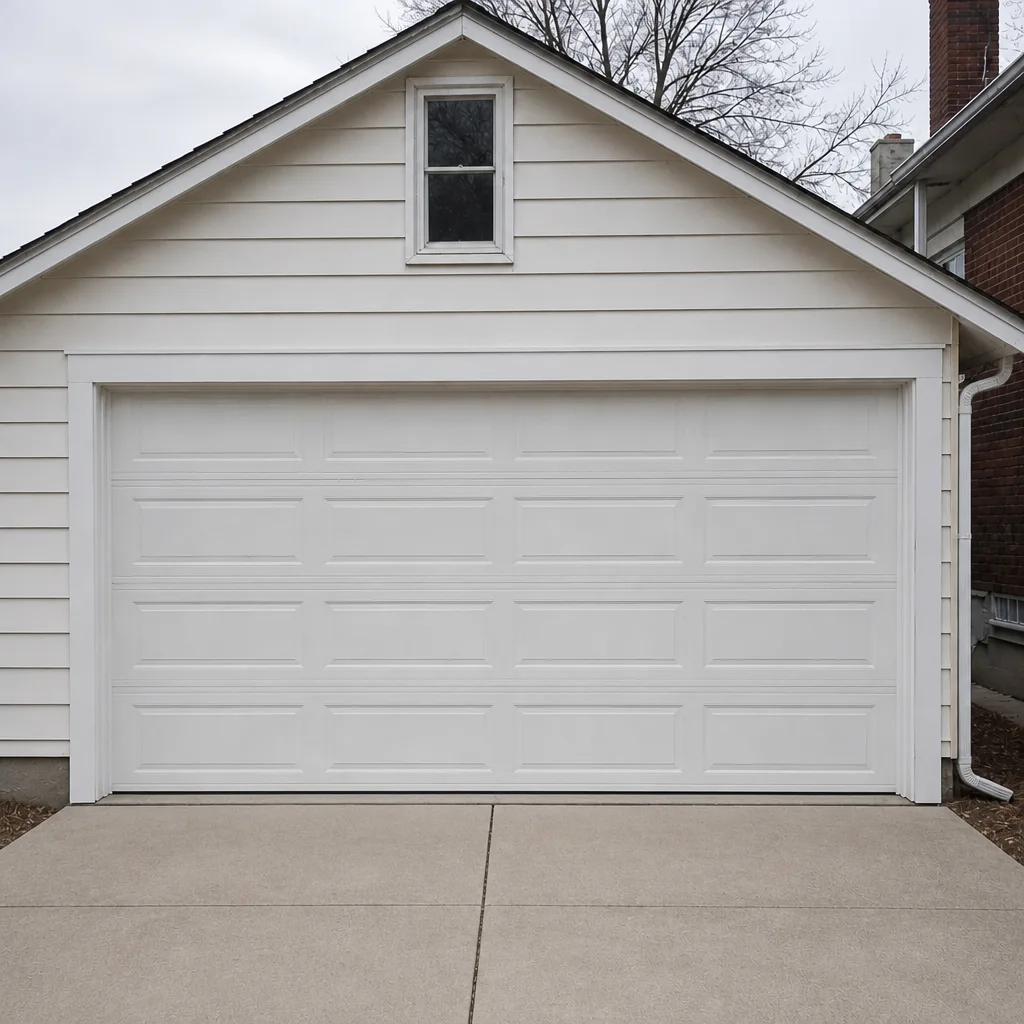 After
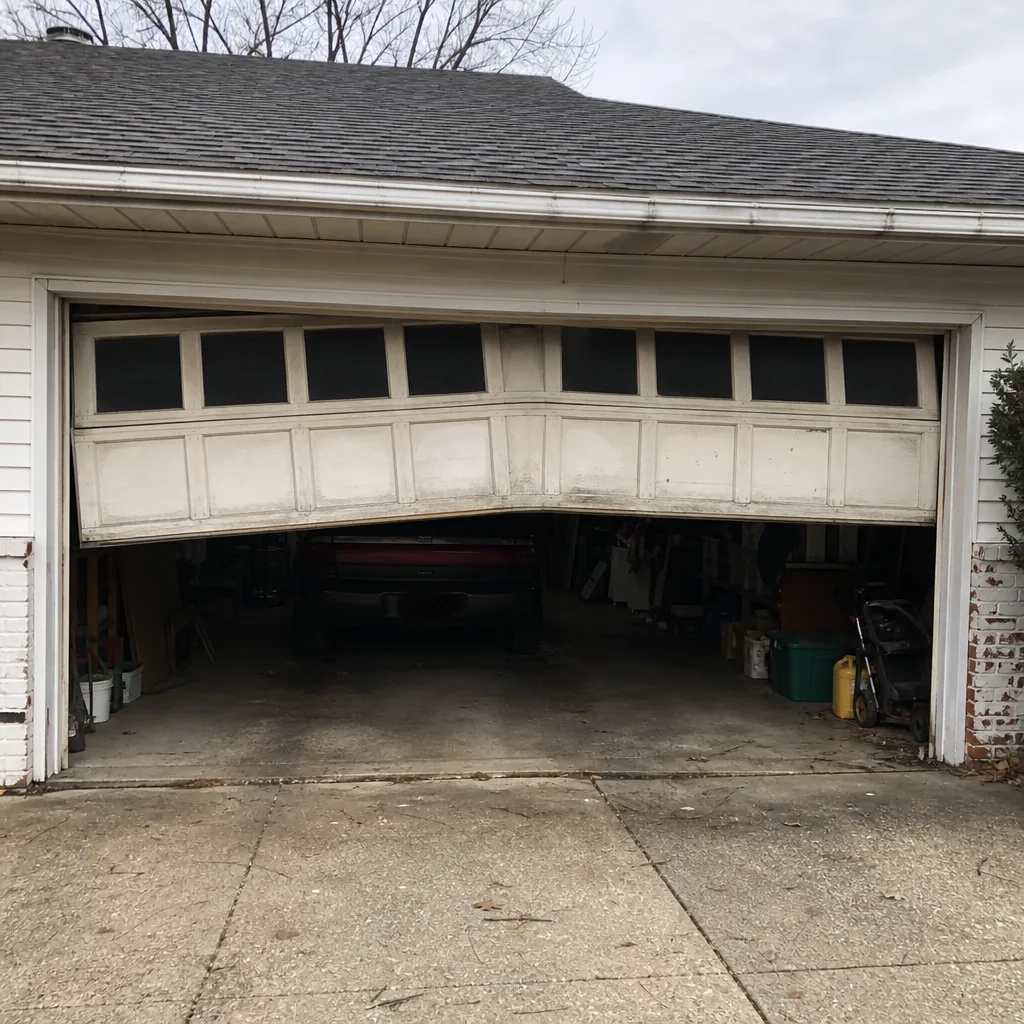 Before
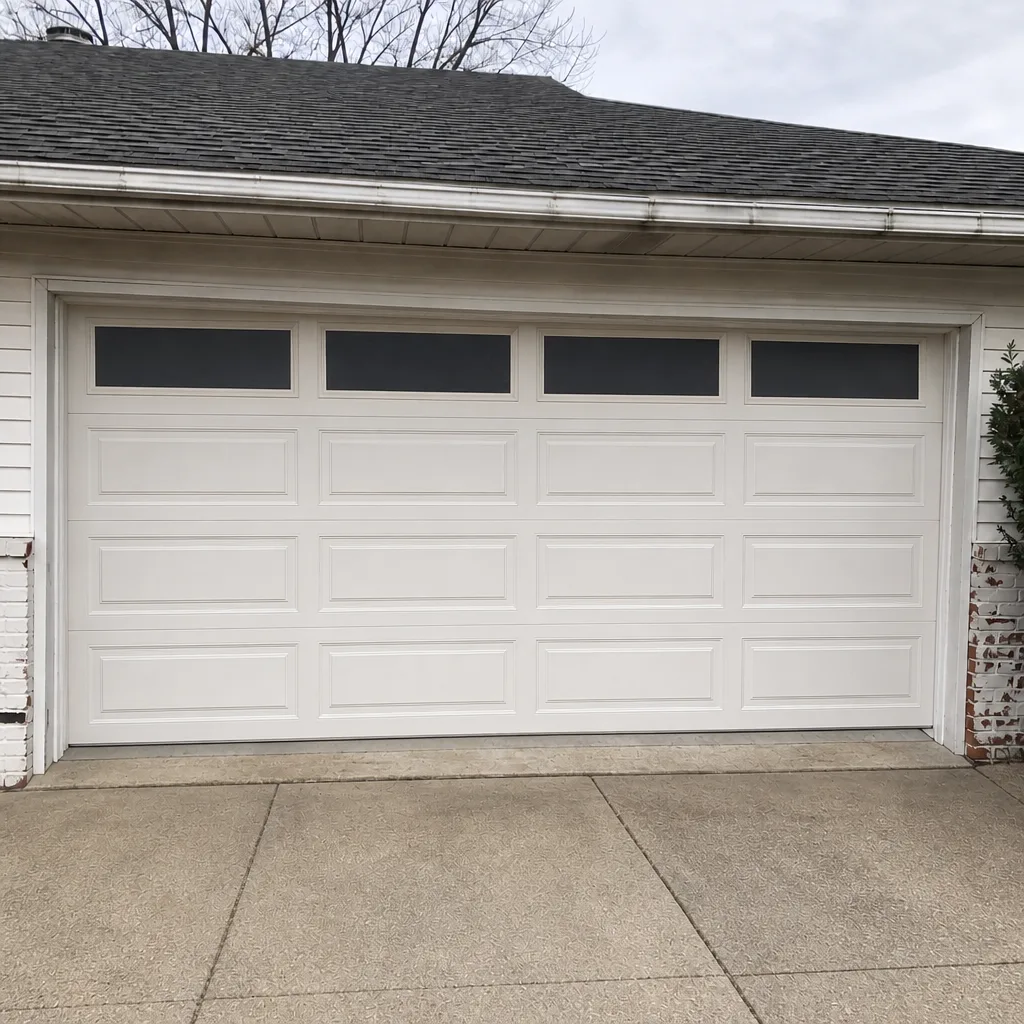 After
Common Mistakes to Avoid
- Ordering a standard-size door online before measuring. College Hill’s pre-1970 openings often aren’t standard, and a “close enough” size won’t seal, won’t align to the track, and can’t be returned once it’s cut or installed.
- Assuming a chain-drive opener suits every garage. In an alley-access detached garage it may be fine; on a garage sharing a wall, the noise is a daily annoyance. Match the drive type to the building, not the price tag.
- Replacing the door when only the opener failed. A tired motor or a sensor that won’t align is often a small fix, and replacing an otherwise sound door for it wastes money you didn’t need to spend.
- Ignoring header and jamb condition before an install. Putting a new door onto failing framing transfers the problem to the new hardware and shortens its life.
- Trying to adjust or replace springs yourself. Beyond the injury risk, a mis-set spring puts strain on the opener, cables, and door; get a trained professional for anything under tension.
- Buying an opener without checking brand support. A smart opener from an off-list brand can leave you hunting for someone to service it later – confirm the majors (Craftsman, LiftMaster, Genie, and the rest of the eight) are covered.
- Accepting an unquoted price on the spot. Get the number in writing before work begins. If the scope changes once the door is open, the price should change with your agreement, not after the fact.
When to Call a Professional
Some garage door problems are safe to reason about; a few should send you straight to the phone. Call us when a spring is broken or the door feels suddenly heavy, when the door won’t open or close at all, when a cable has snapped or come off its drum, when a door has come off its track, or when a panel is damaged enough to threaten the door’s structure. Call too if your opener runs but the door doesn’t move, if the door reverses for no reason, or if you’re weighing a repair against a replacement and want a straight answer. If you’re in College Hill and a door won’t move, that’s exactly the moment emergency service is for – get it working today rather than living with a garage you can’t use. Garage Door Repair College Hill offers free estimates in College Hill – call (866) 401-7447. We answer 24/7. Fast dispatch from 7am to 7pm, Sunday through Friday.
Frequently Asked Questions
Garage door repair in College Hill depends on what failed – a single component fix sits at the low end, while spring, cable, or multi-part repairs run higher – and every price is a free written estimate that sets the final number before work starts. Because College Hill garages vary so much by era, the only reliable quote is one measured in person. Call (866) 401-7447 for an exact quote – estimates are free.
Same-day service is often available for a door that won’t move, and emergency garage door service is part of what we do. We answer 24/7, and a call outside dispatch hours is booked into the next opening, Sunday through Friday, 7am to 7pm. Call (866) 401-7447 and we’ll get it working today if we can.
No – the written estimate sets the price, and the price is quoted and agreed before any work starts. If the scope genuinely changes once the door is open, that change is discussed with you first, not added to an invoice afterward. Call (866) 401-7447 for a free estimate.
The local pro we connect you with is licensed and insured as Ohio requires, and our technicians have up to 14 years of experience. We work on eight major brands – Clopay, Amarr, Wayne Dalton, Craftsman, LiftMaster, Chamberlain, Genie, and Raynor – so your system is covered. Call (866) 401-7447 to confirm details for your job.
Yes, most pre-1970 College Hill detached garages can take a new door, but they need a real measurement of the opening, header clearance, and mount points first, because they often aren’t standard sizes. We handle everything from narrow vintage openings to alley-access garages, and installation is measured and scheduled rather than rushed. Call (866) 401-7447 for a free measure and written price.
Upgrade the opener alone when the door is sound and only the motor or controls are failing; repair when a single part has failed on a healthy door; replace when panels, tracks, or the opening itself are beyond economical repair or when repair costs approach a new door. The deciding factor is the condition of the door and opening, not the age of the house. Call (866) 401-7447 and we’ll walk you through which choice fits your College Hill garage.
The Bottom Line
The garage doors behind College Hill’s houses were built for this neighborhood, not a national catalog, so the right choice almost always starts with measuring the opening and understanding the era. Match your door size and opener drive type to the actual building – especially with detached and alley-access garages – and check header and jamb condition before any installation. Then let the decision tree do the work: opener-only for a healthy door with a tired motor, repair for a single failed component, replacement when the door or opening is beyond saving. Springs are the one part that always belongs with a specialist. For any of it, in College Hill, start with a free written estimate.
Every price we give is quoted and agreed before any work starts, and the estimate is free. Call (866) 401-7447 for a free estimate. We answer 24/7. Fast dispatch from 7am to 7pm, Sunday through Friday.
Written by the team at Garage Door Repair College Hill.