
Last updated November 20, 2026
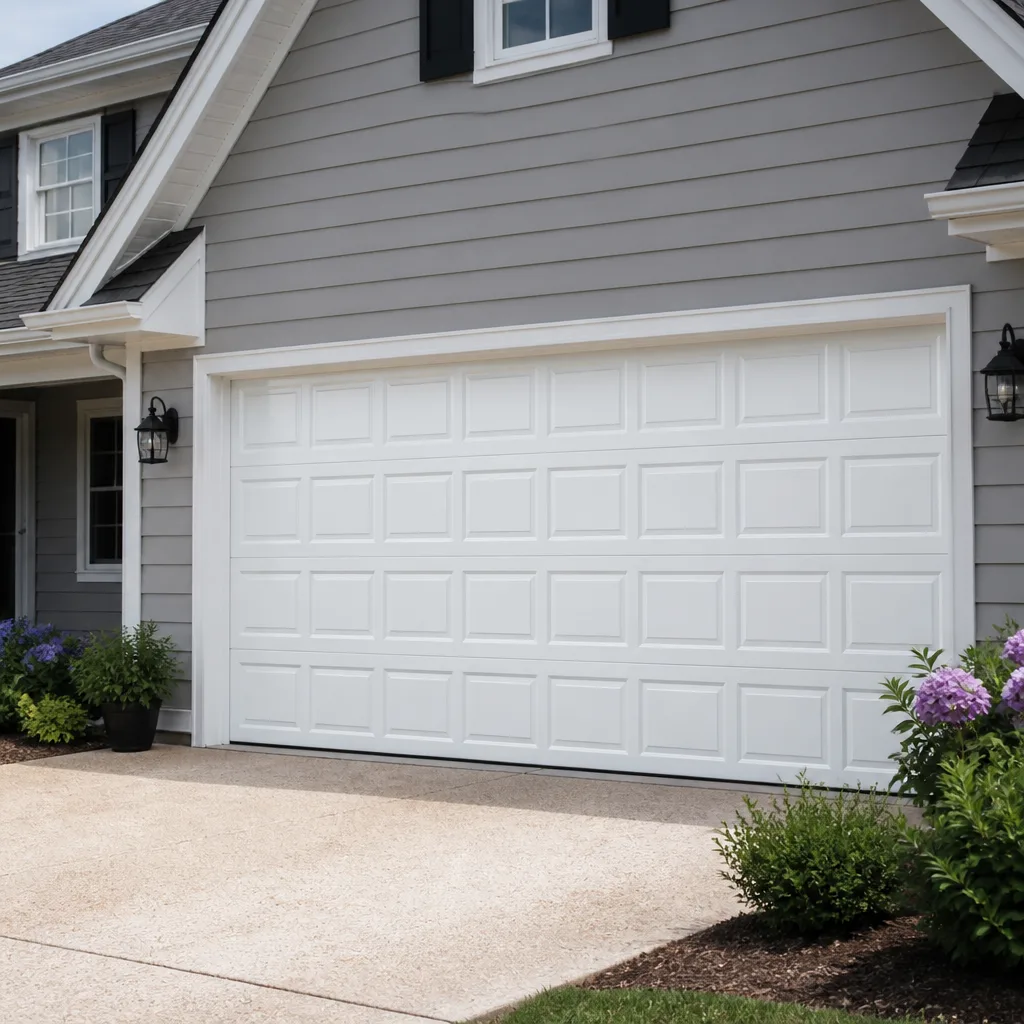 Raised-panel steel
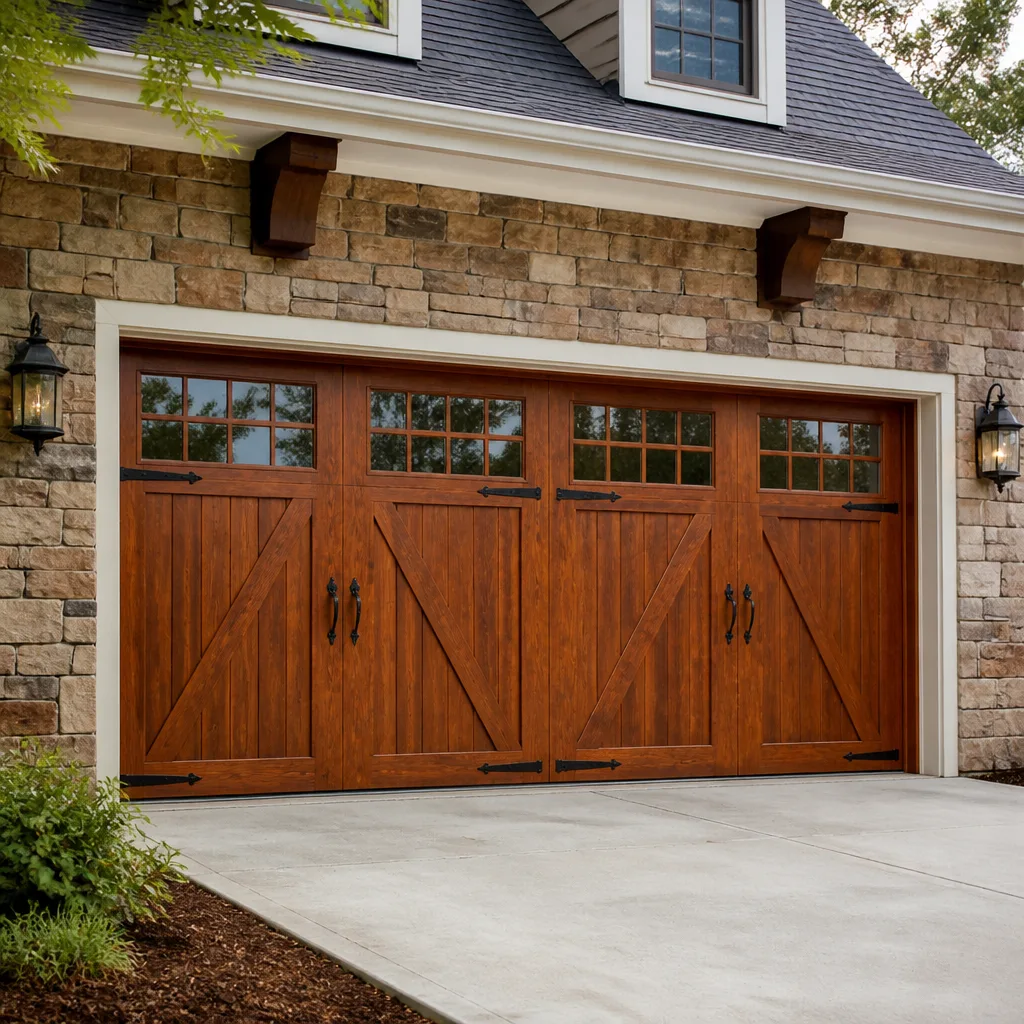 Carriage house
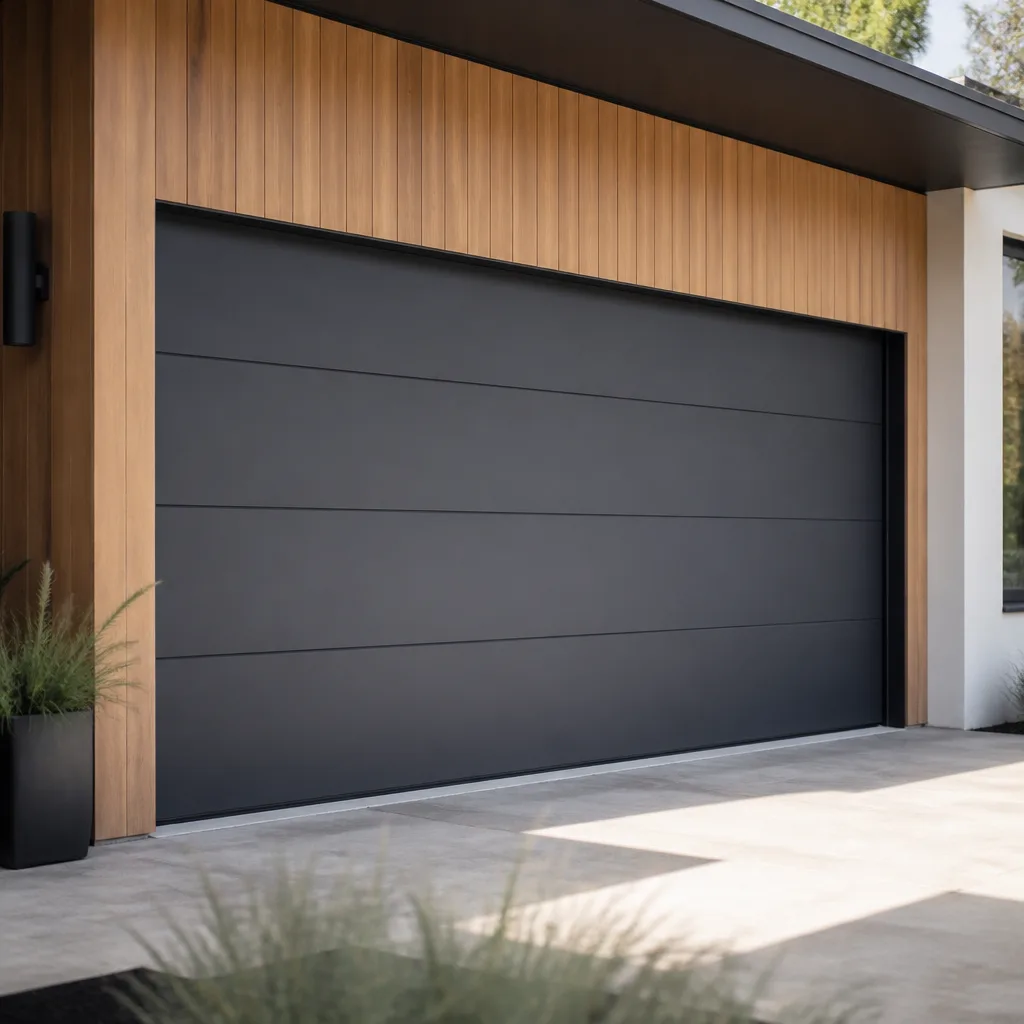 Modern flush
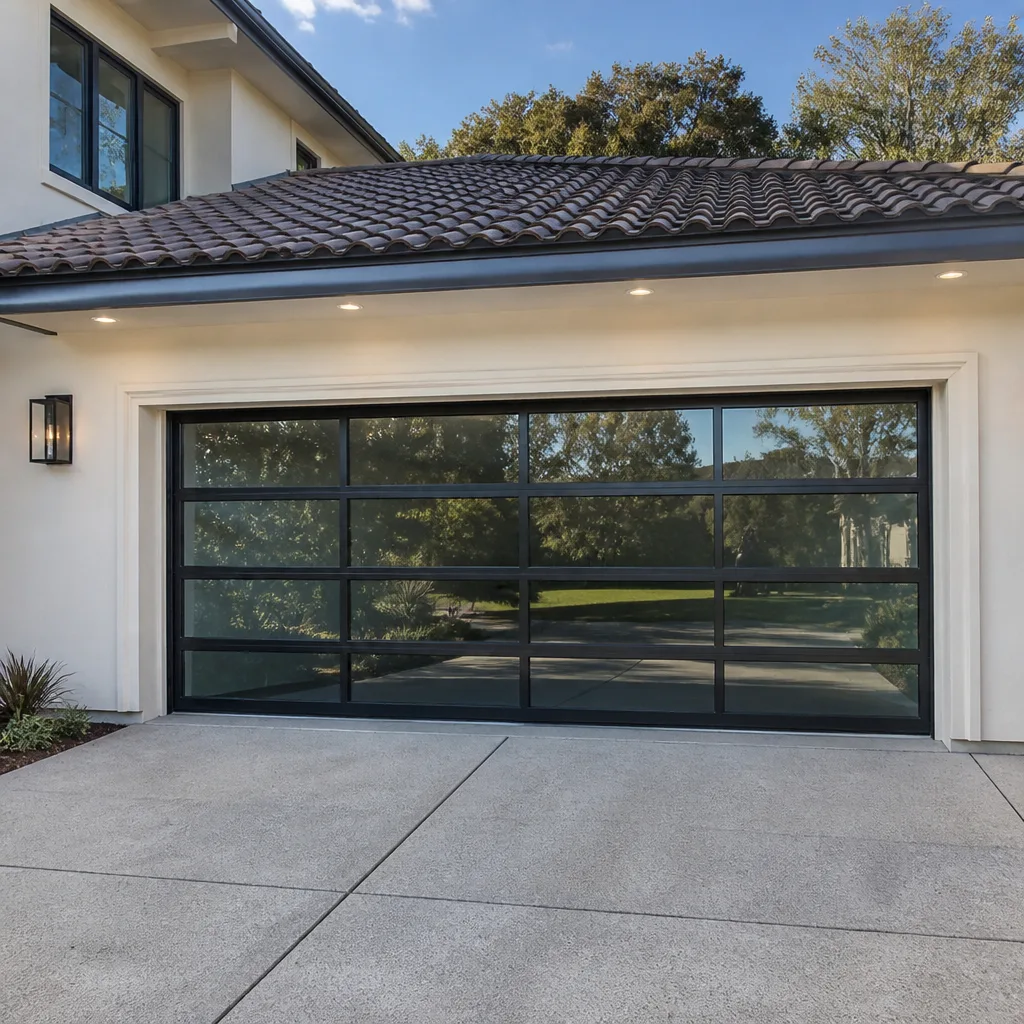 Full-view glass
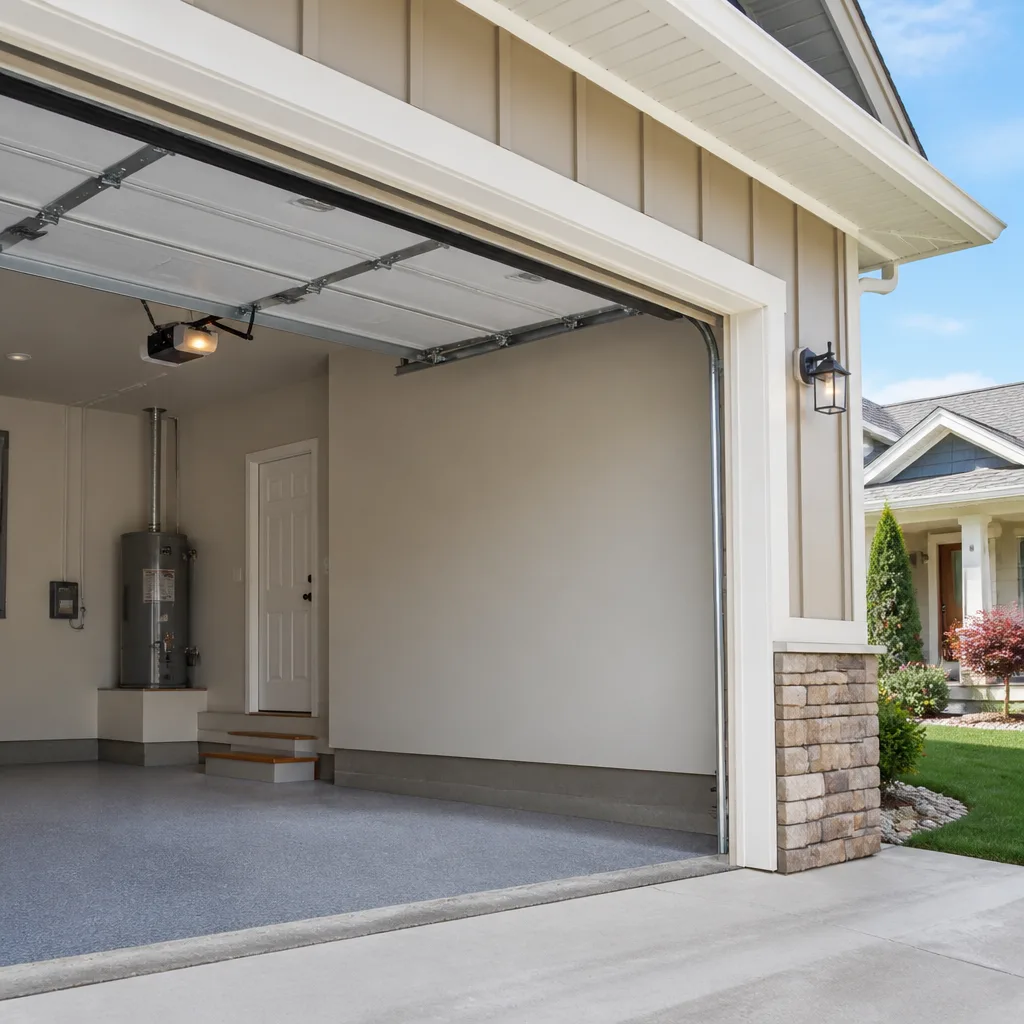 LiftMaster openers
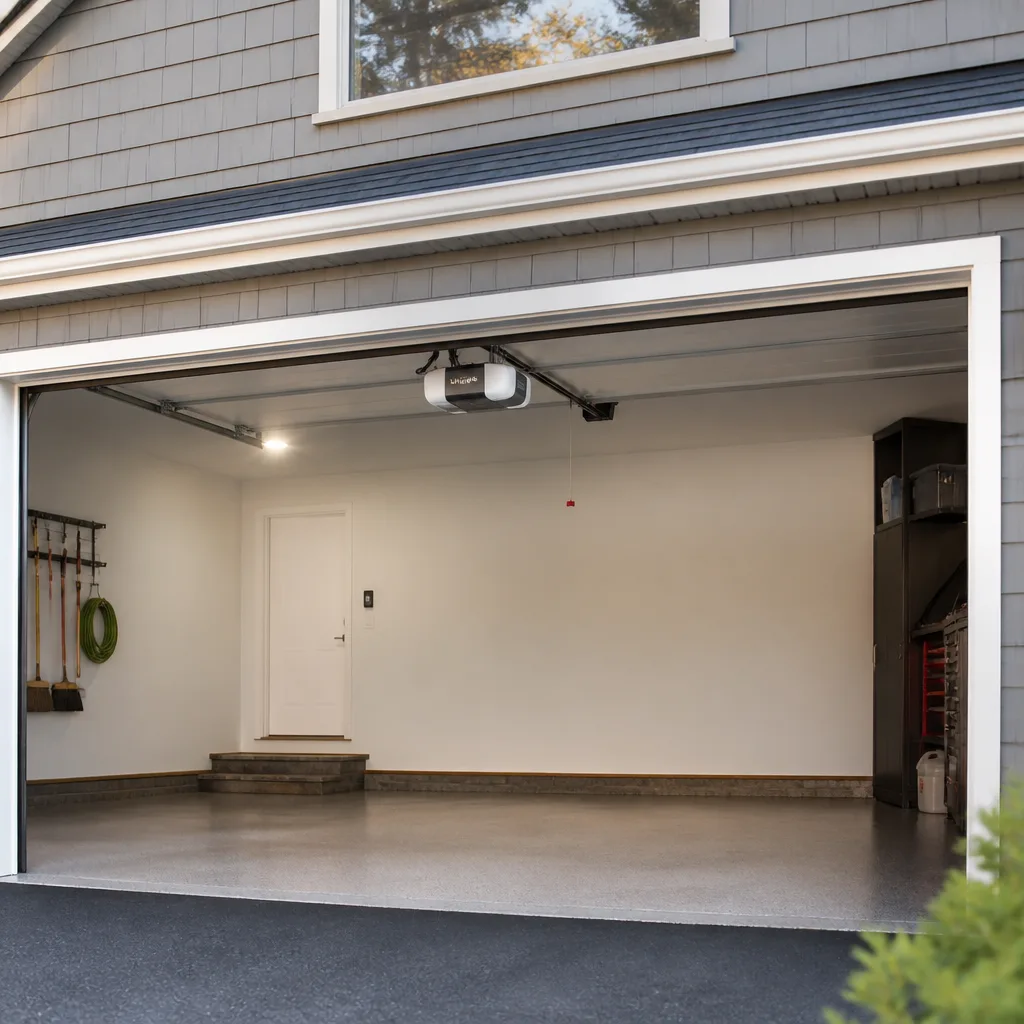 Chamberlain openers
Full 25-point door and opener safety check with every visit - springs, cables, rollers, tracks, and your LiftMaster or Chamberlain opener included
You get a price before we start. It does not change when the pro arrives.
Get your free estimateDIY vs Professional Garage Door: The College Hill Homeowner’s Decision Guide
Replacing a bottom weather seal is a legitimate 20-minute DIY task. Adjusting torsion spring tension is not, no matter how many tutorials make it look simple. Most garage door advice online treats “DIY or call a pro” as one big question with one big answer. It isn’t. A garage door is a system of springs, cables, tracks, hinges, rollers and an opener, and each part carries a different level of risk. Some of that work is fine for a careful homeowner with basic tools. Some of it can seriously injure you or wreck the whole door. This guide draws the line between the two, openly and clearly, so you can decide what’s worth your Saturday and what genuinely belongs in trained hands. We work on College Hill doors every week, and the mistakes we see most often are the ones made with good intentions.
Quick Answer
The DIY-versus-professional question for a garage door comes down to which part you’re touching. Cosmetic and low-tension work (weather seals, lubrication, remote programming, sensor alignment, visual dent assessment) is genuinely appropriate for a homeowner. Anything involving torsion springs, cables, tracks that have come loose, or opener gears is not. Springs and cables are under extreme stored tension, and a mistake can cause serious injury to you or anyone standing nearby. For those, call a trained technician. In College Hill, older homes with non-standard doors make DIY errors harder to reverse, which is one more reason to draw the line carefully.
Styles & brands we work with
- Raised-panel steel
- Carriage house
- Modern flush
- Full-view glass
- LiftMaster openers
- Chamberlain openers
Table of Contents
- The DIY-Safe List: Tasks You Can Handle
- The Non-Negotiable Professional List
- The Tool and Parts Cost Reality Check
- Warranty Voiding Risk: What Manufacturers Care About
- Why College Hill Homes Change the Math
- How to Tell Mid-Task That You Should Stop
- Common Mistakes to Avoid
- When to Call a Professional
The DIY-Safe List: Tasks You Can Handle
Some garage door maintenance genuinely belongs in the homeowner’s hands. These are the jobs where the risk is low, the tools are ordinary, and a mistake sets you back a seal or a battery, not a finger.
We aren’t going to pretend these tasks are complicated. They aren’t. What matters is knowing where the list ends.
Bottom seal and weatherstripping replacement
The rubber strip along the bottom of the door takes the most wear of any part. It cracks, hardens and stops sealing. Replacement seals are available at hardware stores, the job takes about 20 minutes on most residential doors, and it requires nothing more dangerous than a screwdriver and a pair of pliers. Pull the old seal out of its track, slide the new one in, trim the ends. This is the clearest example on the DIY side of the ledger.
Lubrication
Rollers, hinges, the torsion bar bearings and the opener rail all want lubrication a couple of times a year. Use a garage-door-specific spray lubricant, not oil-heavy greases that attract grit, and not the tracks themselves (tracks should stay clean and dry so the rollers roll rather than slide). A few minutes with a can in each hand is all it takes.
Remote reprogramming
Whether you’re adding a remote or a keypad, or getting a new opener online, most of this is a button sequence printed in the manual. LiftMaster, Chamberlain, Genie and the other openers we see in College Hill all follow a similar pattern: press the learn button, press the remote, wait for the click. It’s a legitimate homeowner job.
Safety sensor alignment
The two small sensors near the floor on either side of the door need to be pointed at each other, roughly at the same height, with nothing blocking the beam. If the door reverses before it touches the floor, a sensor is usually the culprit. Nudge the bracket, clean the lens, tighten the wing nut. That’s a five-minute fix, and if it turns out to be something else, that’s when you stop and call.
Visual dent and panel assessment
You can look at a dent and decide it’s cosmetic or significant. You’re the one who knows the door, and inspecting the panels for cracks, sagging or separated seams costs nothing. We recommend doing this any time the door takes an impact, since a dent itself may be harmless while the off-track consequences of an impact get worse with use.
The Non-Negotiable Professional List
This is where the guide stops being flexible. The following tasks should be handled by a trained technician, not because we want your call, but because the physics give you no room for error.
Torsion and extension spring work
Torsion springs store enormous potential energy, and turning them with a wrench means you’re directly interacting with that energy. A spring under tension can release and snap with forces far beyond what your hands can control, and the metal cable and mounting hardware can move without warning. Extension springs on older doors carry a similar risk. This is genuinely the most dangerous part of a garage door job, and even experienced technicians approach it with specific tools, deliberate procedure and safety discipline. We cannot recommend homeowner spring work regardless of skill. Our Garage Door Repair College Hill team handles spring replacement with dedicated tooling because a stripped winding cone or a dropped door under load is not recoverable in the field.
Cable replacement
Cables run from the bottom bracket up to the spring system, and they are under constant load. If a cable is frayed, kinked or off its drum, it is not a pair-of-pliers job. The typical homeowner mistake is to grab the cable and pull, which is exactly when it lets go. Cut the wrong one or drop a loop the wrong way and the door comes down unbalanced or not at all.
Off-track and hardware repair
A door that’s jumped the track has usually done so because a hinge bent, a roller broke, or the panel itself twisted. The visible problem isn’t the real problem. Getting the door back on the track without force-bending the rails and without releasing the tension first is a sequence, and skipping steps warps panels or strips bolts. Off-track repair sits squarely on the professional side of the line.
Opener gear, motor and logic board replacement
Openers are electrical equipment, and gear replacement means opening the housing where the capacitor and logic board sit. Even on a 120-volt circuit, a capacitor stores enough charge to hurt. Gears also need correct alignment and re-greasing, and a rebuilt opener that’s not properly aligned wears through its new gear faster than before. With smart or older opener systems, we repair the electronics on all of the major brands. For this one, call on a professional garage door opener repair service.
Anything requiring you to disconnect the door from the opener by hand
If the door is jammed or off-balance and you have to release it manually to inspect it, that’s the moment the door either stays put or falls. Unless you know exactly how much stored energy is in the system, don’t release it.
The Tool and Parts Cost Reality Check
One of the most-repeated arguments for DIY is that it saves money. Sometimes it does. Often it doesn’t, and calculating the numbers before you start makes the decision much clearer.
Here’s what to add up before you grab a receipt:
- Parts cost alone. A bottom seal is cheap. A pair of springs is not. A full set of rollers is not. If the part costs more than a service call would, the DIY math is already weak.
- Tool cost, if you don’t own them. A winding bar set, cable clamps and a proper vise-grip aren’t expensive individually, but they add up. And these aren’t the tools you’ll reuse often, unlike a screwdriver you already have.
- Redo cost. If you replace a gear and reinstall the opener misaligned, the next repair can cost more than the original. The same goes for an off-track door you forced back on. We’ve seen homes in College Hill where a bent track from a DIY repair became a full panel replacement.
- Your Saturday. The time cost is real, but it’s not the deciding factor. The deciding factor is whether the task sits on the safe list at all.
The general rule: if the part costs less than an hour of technician time and the work is genuinely low-risk, DIY makes sense. If the part is spring, cable or opener gear, or the work involves stored tension or electricity, the “savings” from DIY are savings on a gamble, not a discount. Our garage door repair technicians quote the job in writing before any work starts, so you can compare a real number against the DIY figure. Estimates are free and there’s no pressure.
For comparison work: when the repair turns into a larger conversation and a full garage door installation starts to make more sense than another patch job, that’s the point to bring in a technician rather than shop through a parts catalog.
Warranty Voiding Risk: What Manufacturers Care About
Manufacturers care about who did the work more than most homeowners realize. The risk isn’t that every DIY task voids every warranty. It isn’t. But some do, and the ones that matter are precisely the ones where the work is risky anyway.
Here’s the general shape of it:
- Cosmetic and maintenance work generally doesn’t void a warranty. Replacing a bottom seal, lubricating hinges, reprogramming a remote, aligning sensors and cleaning the tracks are within normal homeowner maintenance. LiftMaster, Chamberlain and most opener brands write their warranties to cover equipment defects, not ordinary maintenance.
- Spring and cable work frequently does. Many door manufacturers (Clopay, Amarr, Wayne Dalton and others among the major brands) state that spring, cable and hardware repair must be performed by a qualified technician to keep certain components covered. If a spring fails after a homeowner install, the manufacturer may decline the claim.
- Opener work follows the same logic. Opening an opener housing for gear or board replacement can void that opener’s warranty. Craftsman and Raynor systems are no different from the rest: the manufacturer’s warranty on the unit usually requires a qualified tech for internal repairs.
- Keep your receipts either way. Documentation matters, and if a professional performs the work, the written invoice becomes your paper trail for both the manufacturer and, in some cases, your homeowner’s insurance.
The pattern is clear: the tasks that void warranties are almost exactly the tasks that belong to a professional. The manufacturer’s own reasoning lines up with ours.
Why College Hill Homes Change the Math
College Hill has a housing stock that makes the DIY question more complicated than the average garage door guide assumes. Many of the homes here were built decades ago, and older installation styles were often non-standard. That means a spring measurement you can’t simply copy from a modern door, a track with slightly different mounting points, an opener wired with older line voltage. Each of these amplifies the risk of a DIY mistake and makes it harder to undo.
We’ve seen the effect in practice. A homeowner replacing a bottom seal goes fine. A homeowner replacing a torsion spring on a non-standard old door takes a bigger gamble than they realize, because there’s no universal replacement recipe and no way to know the spring’s rated cycle life without the right tools. The same goes for off-track doors: older panels are more likely to be brittle or warped, and forcing them back into the rails can crack a panel that then needs full replacement instead of a repair.
One more local factor: our weather swings between humid summers and cold winters, which is hard on weatherstripping and on the wood and metal that holds the track. That’s a reason to keep up with the DIY-safe maintenance list on a schedule, and a reason to have the risky parts inspected once a year by someone who can see what’s coming. A trained eye catches a frayed cable or a stressed spring before it fails, and that saves money later.
If you’re unsure whether your College Hill home’s setup falls into the standard or non-standard category, our technicians can tell you in a quick visit. Our technicians have up to 14 years of experience, so they’ve seen both.
How to Tell Mid-Task That You Should Stop
There’s a moment during many DIY jobs where a careful homeowner senses the task is bigger than the plan. Here’s how we describe the stopping points to our own clients:
- You’ve found a broken spring or a frayed cable. Stop now, don’t test the door, and don’t try to move it by hand. Call.
- The door is off its track. Don’t force it back. Note the position, then stop.
- The opener housing needs to come off. Even for what looks like a small job, the capacitor and wiring are inside. Stop and schedule a technician.
- You’ve taken something apart and it won’t go back together the way it came. This is the fragile moment. Photograph what you have, then stop before you bend a track or snap a bracket.
- The door is doing something it didn’t do before you started. A rattle, a binding, a shudder, a stuck spot: the door is telling you a tension component is out of balance. That’s a professional call.
- A panel is cracked or bent beyond cosmetic. You’re now evaluating a replacement, not a repair. That’s a conversation, not a solo job.
Any of these stops is the right call. Nothing you fix on your own is worth an injured hand or a door that turns a small repair into a full replacement.
Common Mistakes to Avoid
- Forcing a door back onto a bent track. It usually bends the track further and can warp a panel beyond repair. In older College Hill homes, that track was often installed to fit a specific door and replacement isn’t instant.
- Replacing a single spring when the door uses a matched pair. The unworn spring does more work after the swap, and the pair fails sooner. Springs are replaced as a set, and the matched numbers matter.
- Winding a torsion spring with a substitute tool. A screwdriver in the winding cone is how people get hurt. A proper winding bar set is the minimum, and the job still isn’t recommended for homeowners.
- Reading a YouTube tutorial on a non-standard door and assuming the measurements match. College Hill garage doors come in older, less standard sizes, and spring specs differ more than they look.
- Using the wrong lubricant on the tracks. Track surfaces should stay clean and dry; greasing them traps grit and makes rollers slide instead of roll, wearing them out faster.
- Confusing a dent you can see with the damage you can’t. A dented panel often hides a bent hinge or a shifted roller that will eventually push the door off track.
- Opening an opener housing to replace a gear and reinstalling the opener misaligned. The gear wears out faster than before, and the “repair” is now two problems.
- Treating a “door that just reverses” as a new opener problem. Nine times out of ten, the sensor is the culprit. Align it first; if it’s not the sensor, call.
When to Call a Professional
Call a professional when the door stops moving, when you hear or see a spring or cable in distress, when the tracks have shifted, when the opener gear has failed, or when the damage has moved into “replacement” territory. Call immediately if a door is stuck open or stuck closed and you can’t secure the house, and call the same day if you’ve discovered a broken spring rather than driving the car in and out past a door at half tension. Security matters: a door that won’t close leaves the house exposed, and it also puts weight on components that aren’t designed to hold. For the urgent cases, our emergency service is built for exactly this. When your door won’t move, get it working today rather than tomorrow. Garage Door Repair College Hill offers free estimates in College Hill. Call (866) 401-7447. We answer 24/7, and there’s fast dispatch from 7am to 7pm, Sunday through Friday.
See the difference
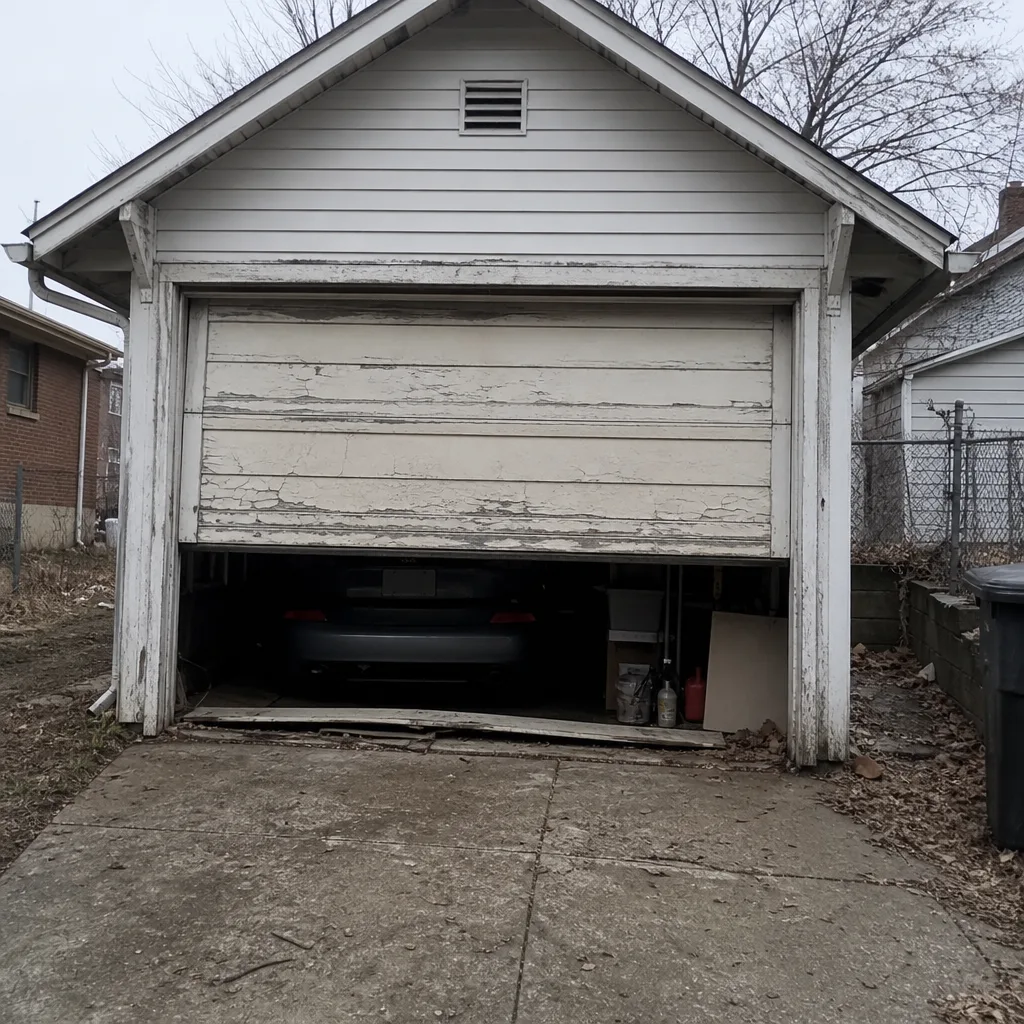 Before
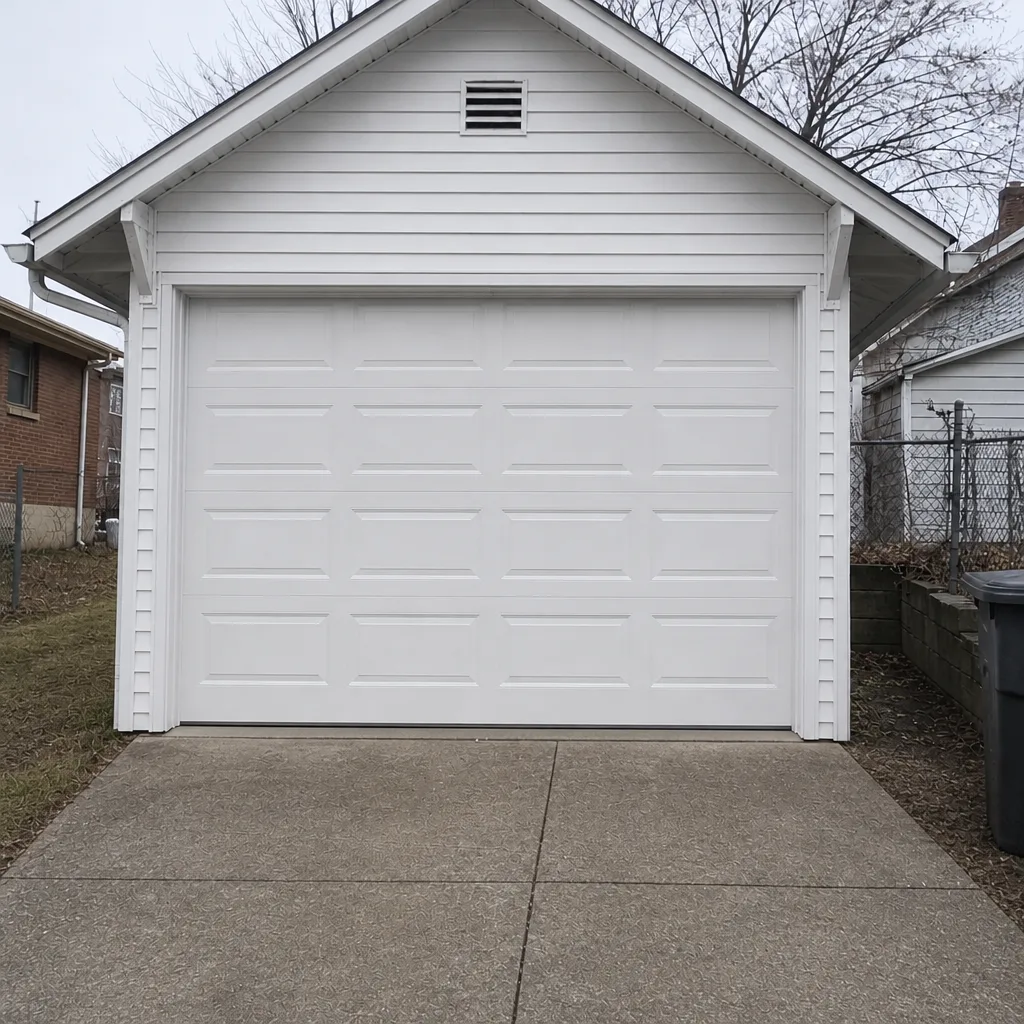 After
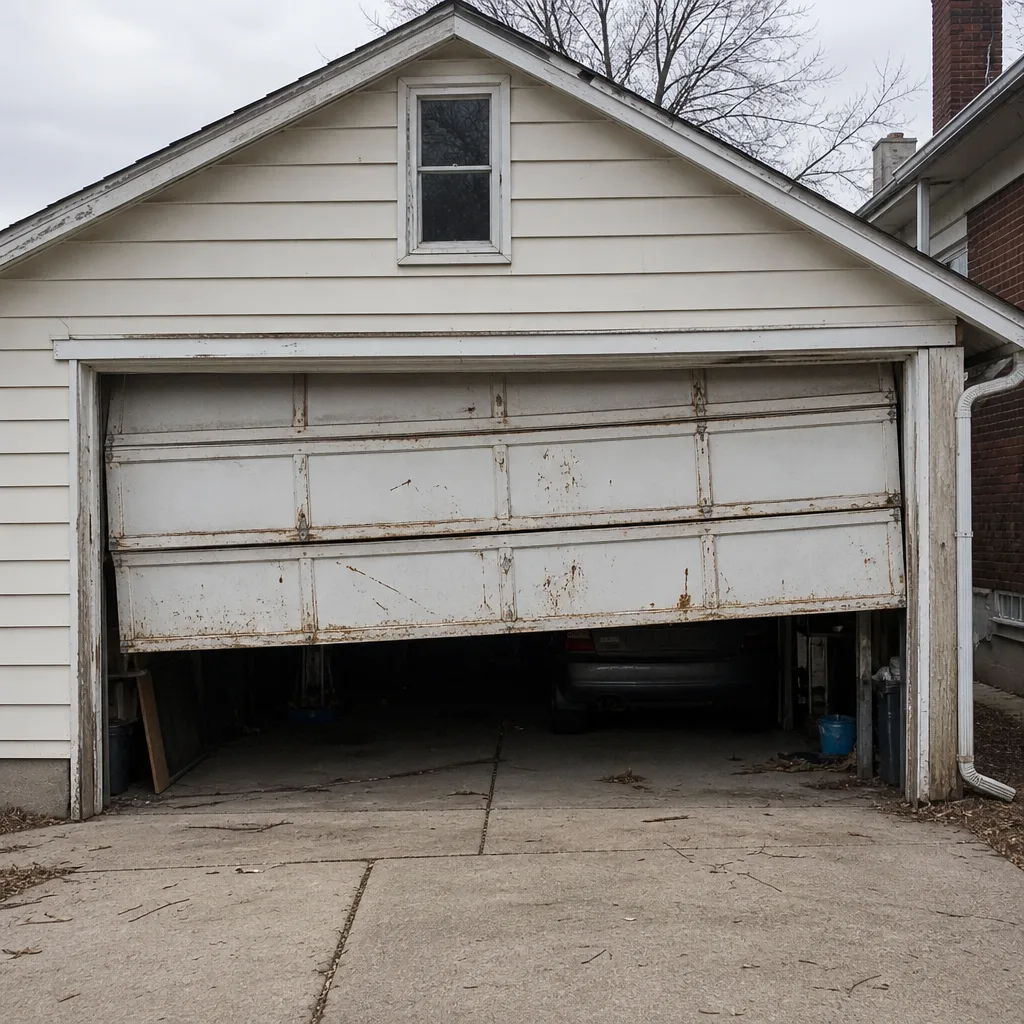 Before
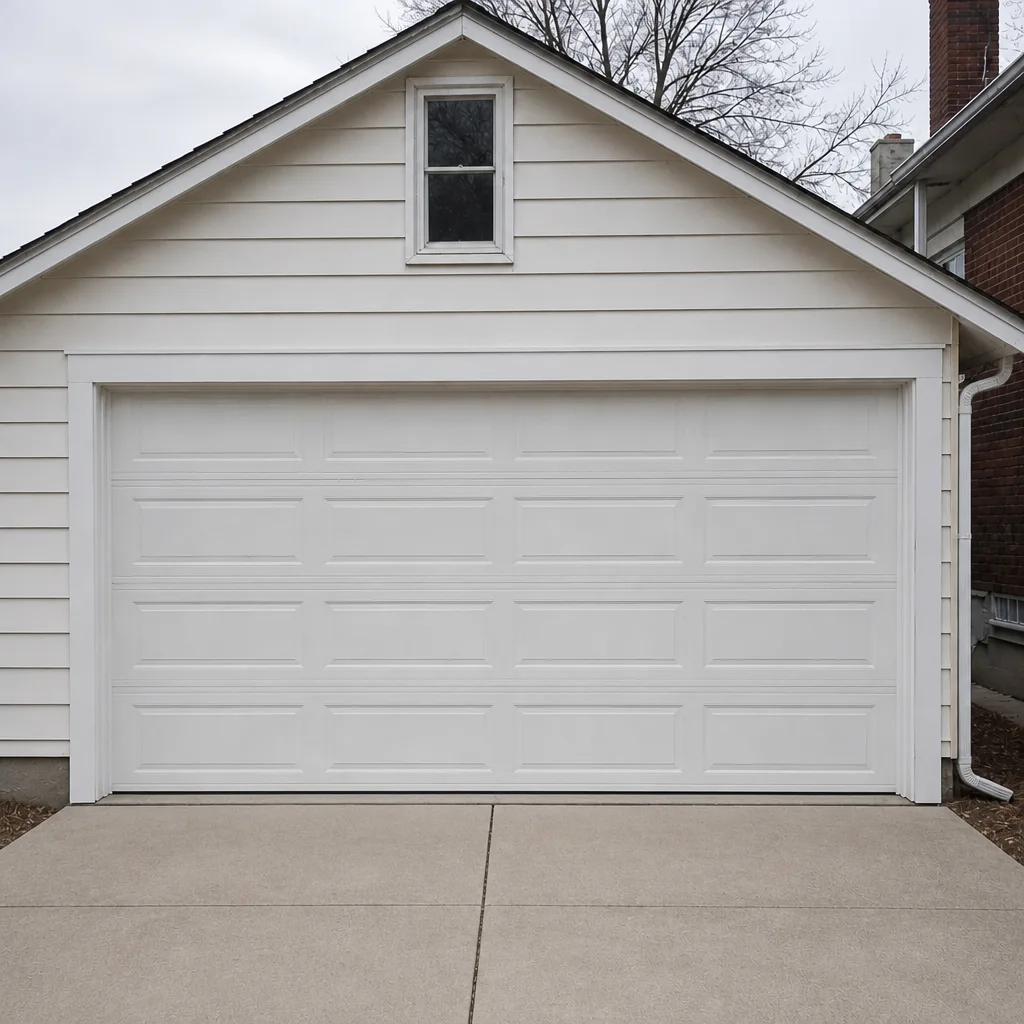 After
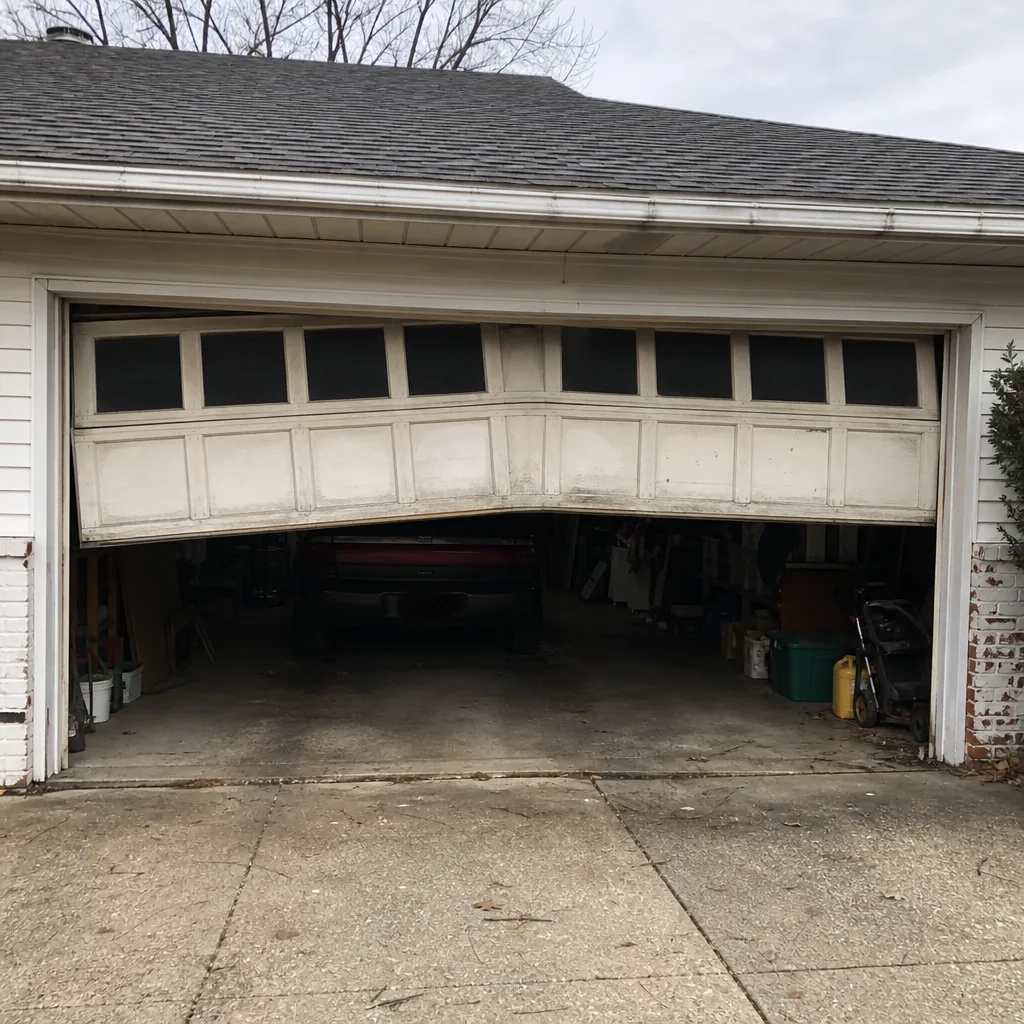 Before
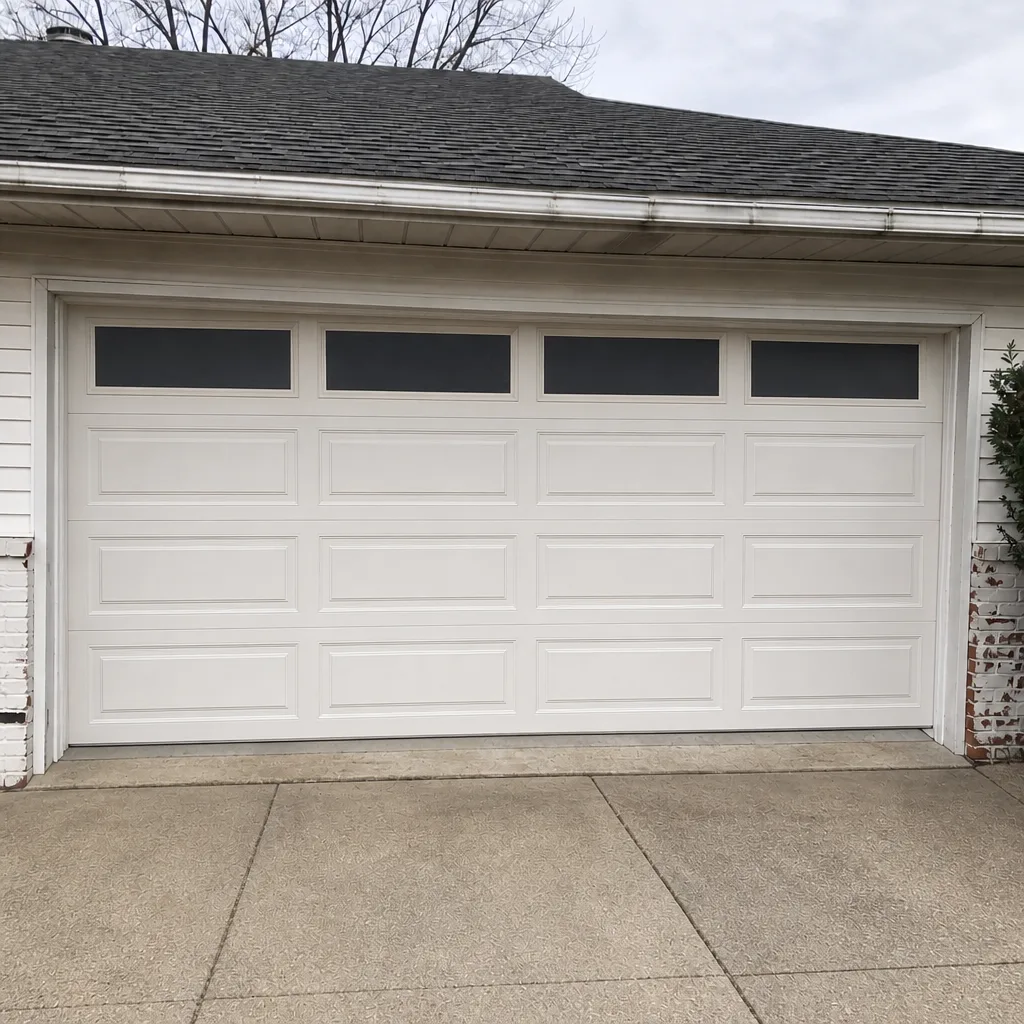 After
Frequently Asked Questions
No. Torsion spring replacement is the most dangerous task in garage door work because the spring stores enough energy to cause serious injury if it releases unexpectedly or the winding process goes wrong. We don’t recommend it for homeowners at any skill level. Call a technician for spring work. Call (866) 401-7447 for a free estimate.
Yes. Bottom seal replacement is a legitimate DIY task and takes about 20 minutes on most residential doors. All you need is a screwdriver and a pair of pliers. Pull the old seal from its track, slide the new one in, and trim the ends. If the seal track itself is bent or rusted out, that’s the point to call. Call (866) 401-7447 for a free estimate if you’d rather not.
It depends on which part you’re working on. Cosmetic and maintenance tasks (seals, lubrication, remote programming, sensor alignment) generally don’t affect the warranty. Spring, cable and internal opener work often does, and many manufacturers (Clopay, Amarr, Wayne Dalton, LiftMaster, Chamberlain, Genie, Craftsman and Raynor among them) specify that certain repairs must be handled by a qualified technician. Check your door’s warranty document, and when in doubt, call (866) 401-7447 for a free estimate.
Yes, for the standard cases of stuck doors, broken springs and off-track situations, same-day service is available. We answer 24/7, and there’s fast dispatch from 7am to 7pm, Sunday through Friday. Call (866) 401-7447 and we’ll confirm timing and give you a written estimate before any work starts.
The local professionals we connect you with are licensed and insured as their state requires. We work on the major door and opener brands, including LiftMaster, Chamberlain, Genie, Clopay, Amarr, Wayne Dalton, Craftsman and Raynor, so your specific system is one we recognize. Our technicians have up to 14 years of experience. Call (866) 401-7447 for a free estimate and to confirm credentials for your job.
Non-standard door setups are common in College Hill housing, and they actually shift the DIY math further toward calling a professional. Older doors often don’t match the spring, track and panel measurements of a modern door, so a tutorial’s numbers don’t apply. Mistakes are also harder to reverse because replacements for non-standard parts take longer to source. A professional visit confirms your setup before any work starts. Call (866) 401-7447 for a free estimate.
Yes. Every estimate is free, and the written estimate sets the final price. You’ll know the number before we touch the door. Call (866) 401-7447 to book a free estimate.
The Bottom Line
The DIY versus professional decision for a garage door isn’t a matter of confidence or self-sufficiency. It’s a technical risk assessment, and the honest answer depends entirely on which task is on the table. Bottom seals, lubrication, remote work, sensor alignment and visual dent assessment are genuinely DIY-safe. Torsion and extension springs, cables, off-track repair and internal opener work are not negotiable. The math almost always confirms it: when you add parts, tools, the risk of a redo, and the warranty exposure, the “savings” of doing risky work yourself disappear. In College Hill, where older homes with non-standard setups make DIY errors harder to reverse, that math tilts toward a pro earlier. If you’re anywhere on this list, our team is here to help, from a single inspection to a full replacement conversation.
If you’re ready to put the decision in trained hands, call (866) 401-7447 for a free estimate. We answer 24/7, and there’s fast dispatch from 7am to 7pm, Sunday through Friday. Our team works on the major brands you’ll find in College Hill homes, and every price is set by a written estimate before any work begins.
Written by the team at Garage Door Repair College Hill.