
Last updated November 20, 2026
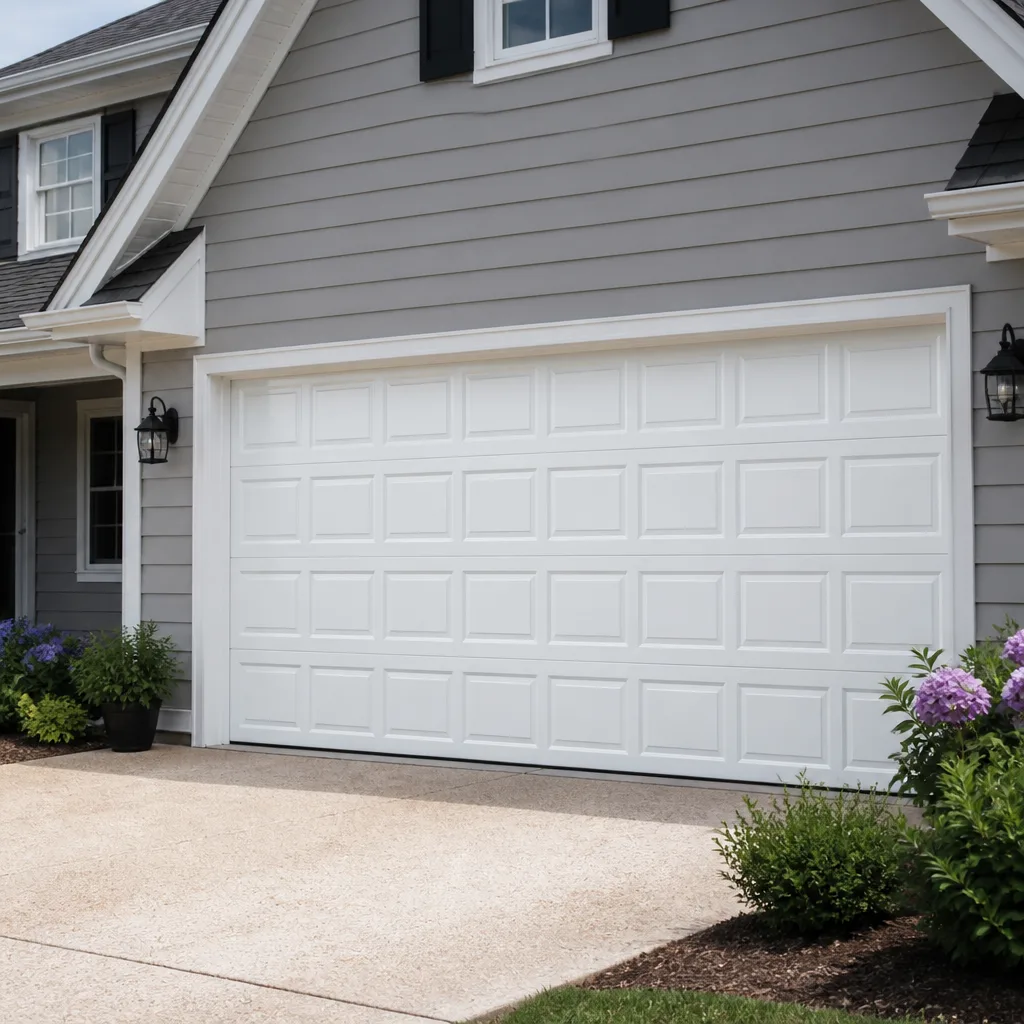 Raised-panel steel
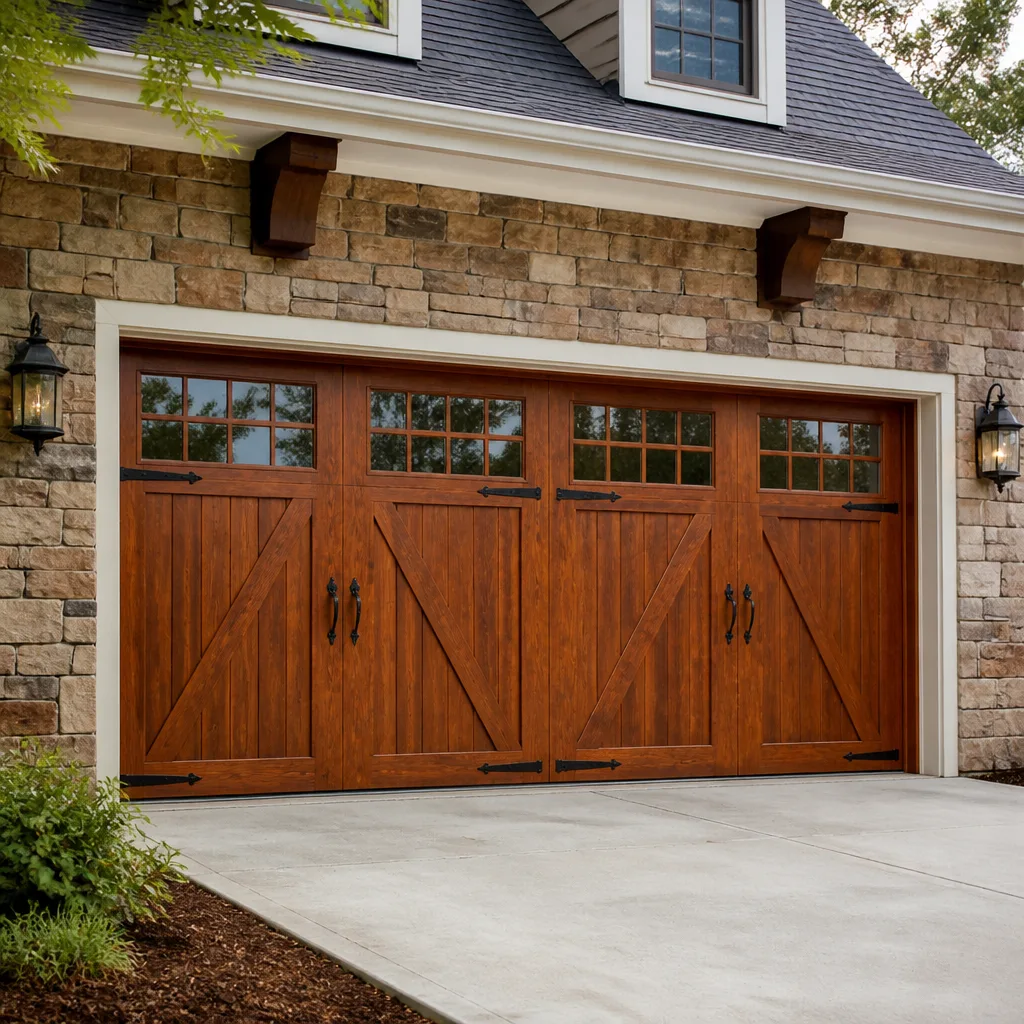 Carriage house
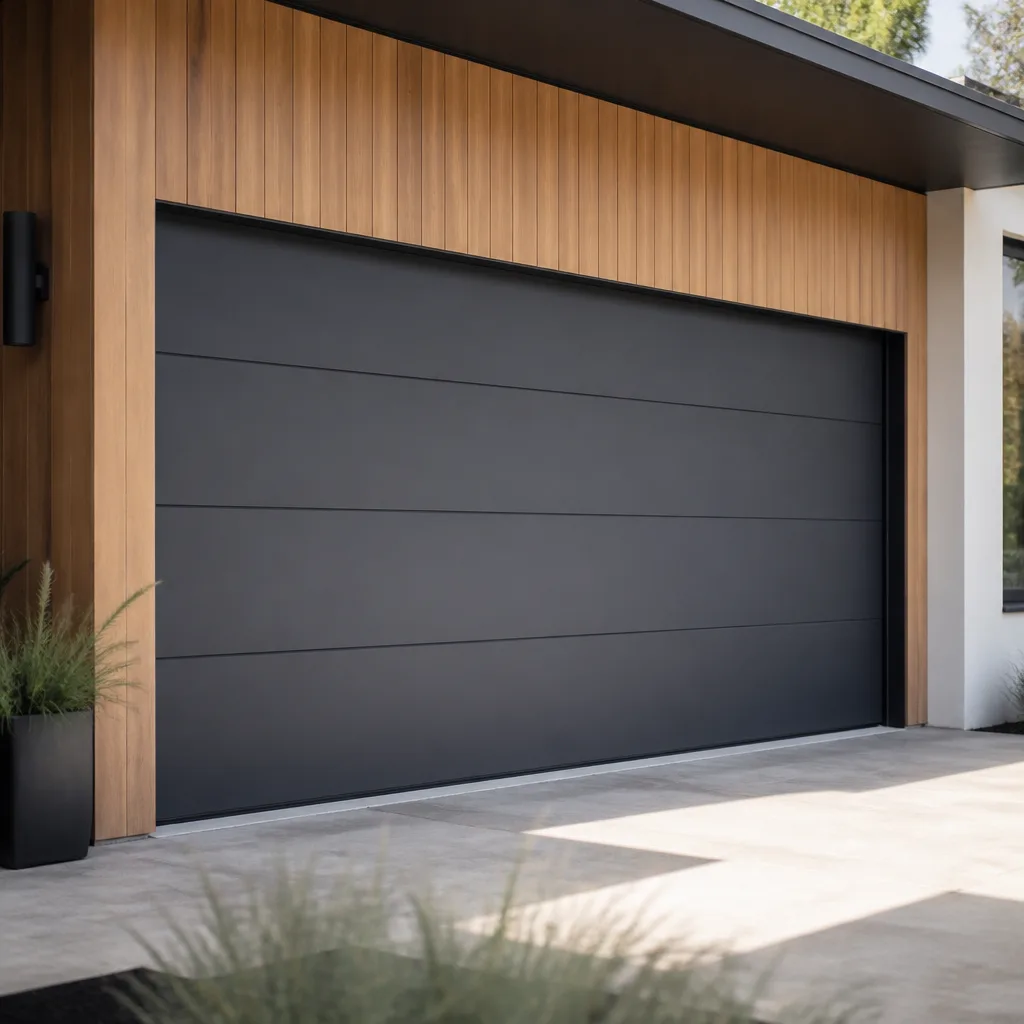 Modern flush
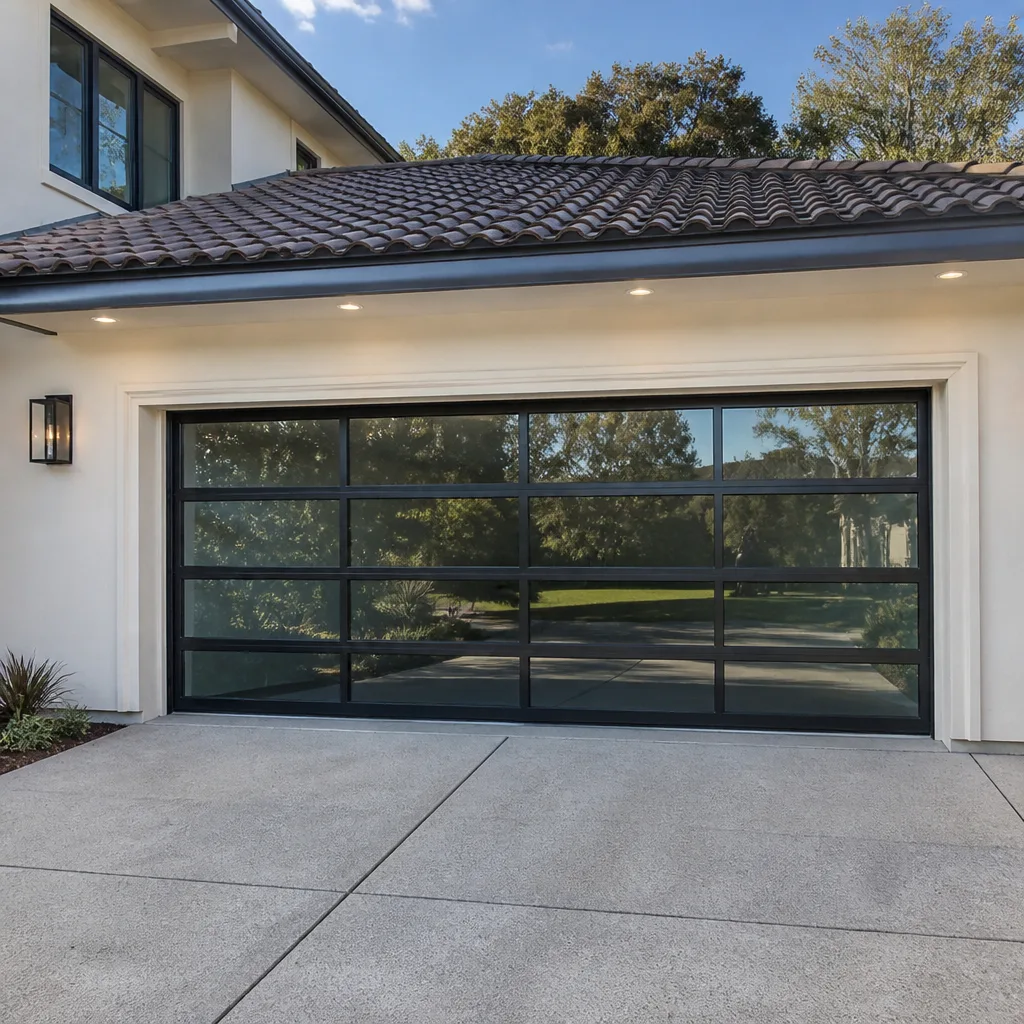 Full-view glass
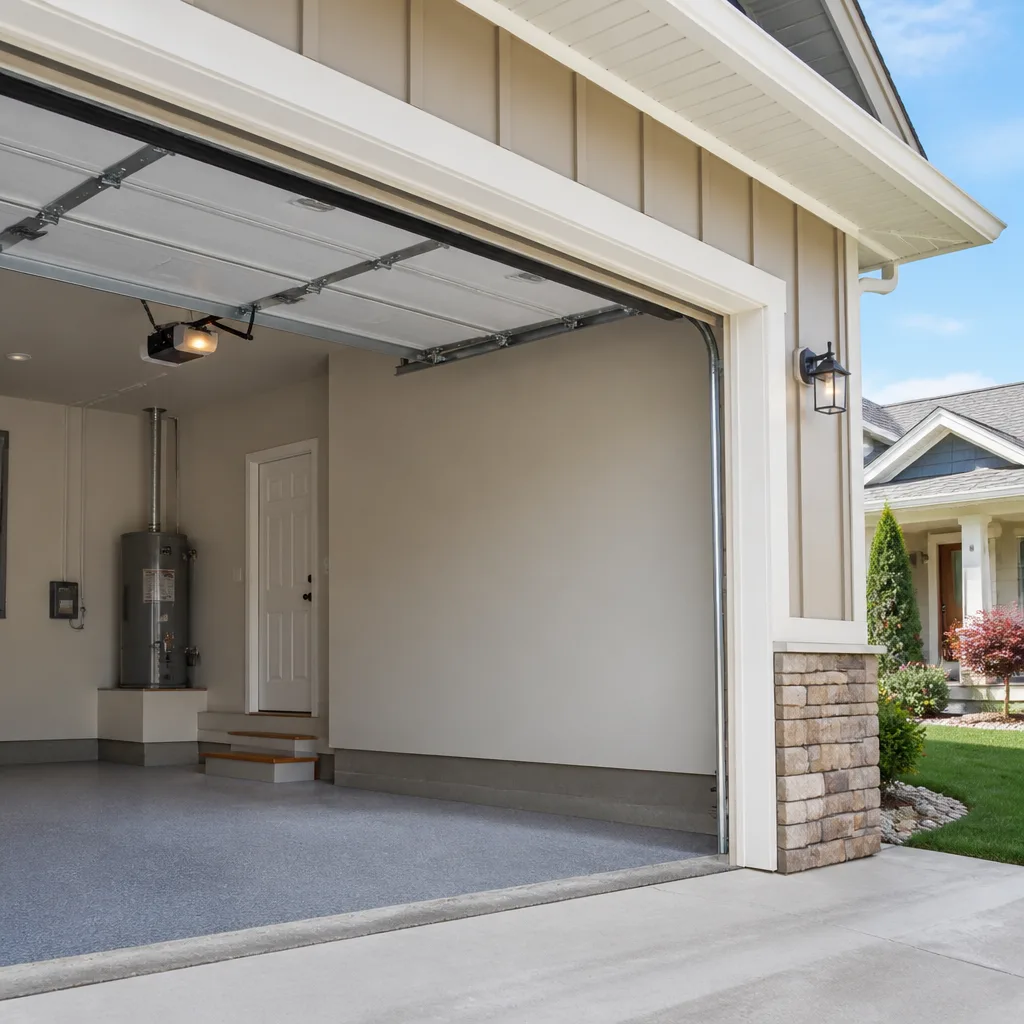 LiftMaster openers
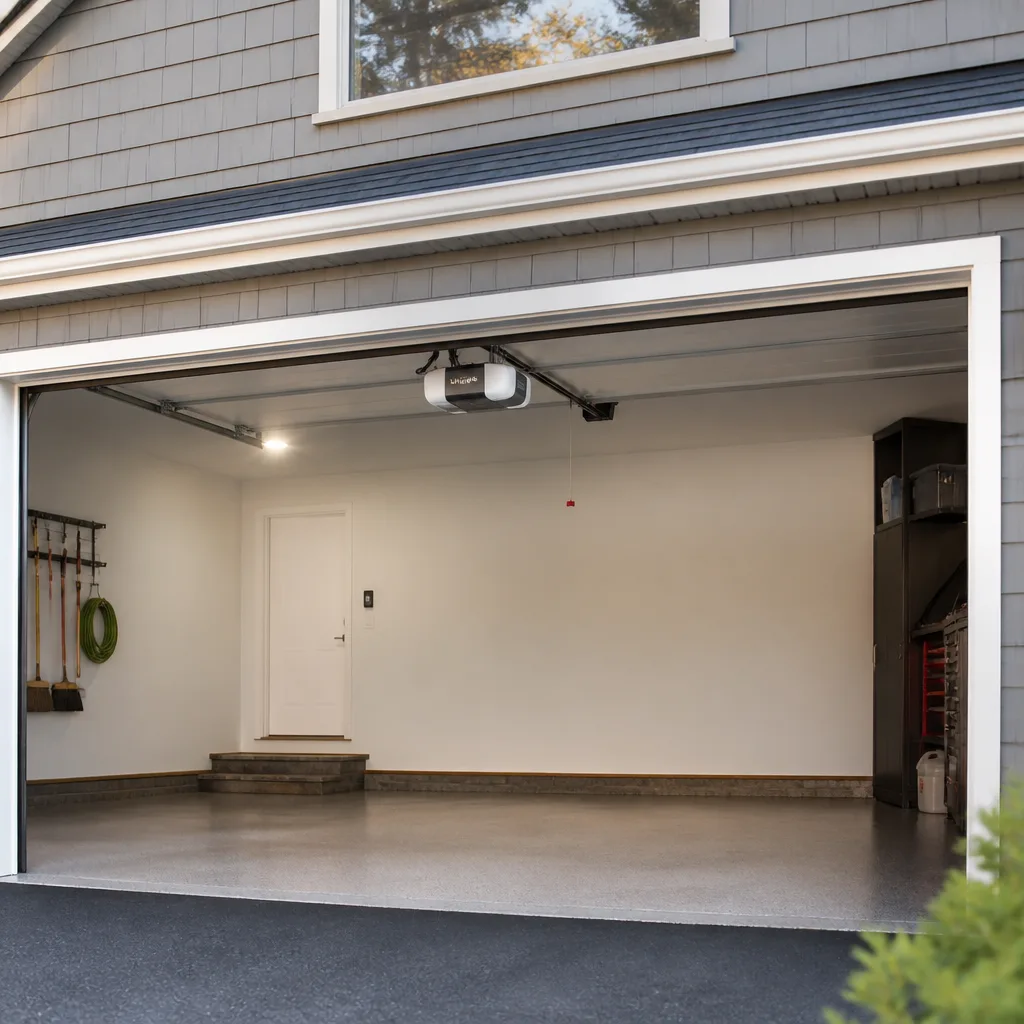 Chamberlain openers
Full 25-point door and opener safety check with every visit - springs, cables, rollers, tracks, and your LiftMaster or Chamberlain opener included
You get a price before we start. It does not change when the pro arrives.
Get your free estimateGarage Door Cost Breakdown: The College Hill Homeowner’s Reference for 2026
If your last real conversation about garage door pricing happened in 2022 or 2023, the numbers in your head are probably wrong. Supply chains have settled, part costs have shifted, and the quotes you remember hearing from a neighbor are no longer a fair benchmark for what a job costs now. Here’s the part most pricing guides skip: in College Hill, the national average for a garage door replacement means almost nothing. Detached single-car garages with non-standard rough openings are common here, and a tight opening can add $200 – $600 to an installation quote before a single bolt is turned. This guide resets your expectations with component-level costs, labor realities, and the benchmarks you need to judge a quote on your own.
Quick Answer
Garage door repair in College Hill typically runs $150 – $850 depending on the component, with spring replacement at $180 – $340 for a single spring and a matched pair at roughly twice that. A new single door installed usually lands between $1,100 and $2,800, while openers run $350 – $850 installed depending on drive type and smart features. Non-standard openings common in older College Hill garages can add $200 – $600. Every price is an estimate until a written quote is issued, and the written quote is the price you pay.
Styles & brands we work with
- Raised-panel steel
- Carriage house
- Modern flush
- Full-view glass
- LiftMaster openers
- Chamberlain openers
Table of Contents
- Why 2026 Pricing Looks Different Than 2022 Quotes
- Component-Level Cost Breakdown
- The Non-Standard Opening Premium in College Hill
- Opener Cost Tiers by Drive Type and Smart Compatibility
- Labor Cost Variables: What Moves the Final Number
- How to Judge a Quote Without Three Bids: The Parts-to-Labor Ratio
- Common Mistakes to Avoid
- When to Call a Professional
- Frequently Asked Questions
Why 2026 Pricing Looks Different Than 2022 Quotes
Between 2020 and 2023, garage door parts behaved like everything else: steel prices swung hard, opener chipsets were backordered for months, and installers padded quotes to cover uncertainty. Homeowners in College Hill who collected estimates during that stretch are working from a distorted memory. A quote from 2022 might have reflected a panic premium that no longer exists, or a part substitution that’s since been reversed.
By 2026, the market has normalized. Steel and aluminum are stable, opener manufacturers ship on predictable lead times, and labor rates have settled into a moderate climb rather than a spike. The practical effect is that today’s quotes are easier to read. Parts costs are closer to their true floor, and the labor line on a quote reflects actual scheduled time rather than an assumption about delays.
What did not go back down is labor. Skilled garage door technicians are in shorter supply than parts are, and the trades have broadly raised wages to keep pace. That’s why the parts-to-labor split on a 2026 quote looks different than it did a few years ago. If you’re comparing today’s number against an old memory, the gap you’re seeing is mostly labor, not parts.
One more shift worth knowing: smart openers have moved from premium add-on to default. Where a basic chain-drive opener once represented the bottom tier of a quote, most new installs now include app connectivity, and that changes both what you’re paying for and what you should expect a quote to include. When your door stops responding and the opener is on the fritz, that’s the moment to look at garage door opener repair rather than a full replacement.
Component-Level Cost Breakdown
Most garage door problems come down to one part, not the whole door. Knowing what each part costs to replace keeps a quote honest. The ranges below are typical for the Cincinnati market in 2026. Treat them as ballpark figures: the written estimate is the final word, and the price is quoted and agreed before any work starts.
- Springs (torsion or extension): $180 – $340 for a single spring. A matched pair is usually replaced together, so a pair lands near double that range.
- Cables: $100 – $200 per cable, depending on whether the drums and brackets are reused.
- Rollers: $8 – $20 per roller; a full set of ten to twelve is often the smarter repair.
- Hinges: $10 – $25 each; a full hinge replacement across an older door usually runs $120 – $220 in labor and materials.
- Bottom seal / weatherstripping: $90 – $200 installed.
- Panels (single section): $250 – $650 depending on material and whether the panel is still in production.
- Track sections: $180 – $400 for a damaged section, more if the door must be rehung.
- Opener (motor unit, installed): $350 – $850 based on drive type.
Springs deserve a special note. They carry the entire weight of the door, and they’re under constant tension. If a spring snaps, the door becomes dangerous to operate and should be left alone until a technician can assess it. Spring repair is one of the most technically demanding jobs in the trade, and it’s not a DIY task. Our technicians handle spring work with the training and tools the job requires. Our technicians have up to 14 years of experience across LiftMaster, Chamberlain, Genie, Clopay, Amarr, Wayne Dalton, Craftsman, and Raynor systems.
One useful habit: ask the technician to walk you through which parts are being replaced and why. A good quote will name the component, the reason, and the labor time.
The Non-Standard Opening Premium in College Hill
College Hill is full of homes built in an era when garages were tacked on or sized to fit a specific car. That history shows up in the rough opening: the framed hole your garage door hangs inside. Detached single-car garages with openings narrower than the modern 8-foot standard, or with less than 12 inches of headroom above the top of the door, are common in older College Hill neighborhoods and add real cost to any installation.
What causes the premium:
- Low headroom: Torsion springs need vertical clearance. When there isn’t enough, the install switches to low-headroom drums and revised hardware, adding $200 – $400.
- Narrow or irregular opening: A door has to be built or trimmed to the actual opening. Custom sizing adds $150 – $350.
- Out-of-square framing: Older framing shifts. Straightening or shimming before the new door goes up adds labor, usually $100 – $250.
- Obstructions: A dropped beam, a low soffit, or a roof overhang near the door opening all push the quote up.
- Wall-material cuts: If a door needs a rough-opening adjustment, the trim around it has to be removed and reinstalled. That’s carpentry, not door work, and it shows up on the quote.
The correct way to find out whether your garage falls into this category is a free measure. When you’re considering garage door installation, we measure the opening and headroom and put a written price in front of you before anything is ordered. There is no same-day promise on installs; the door has to be measured, ordered, and scheduled. That’s normal for this work, and it’s the reason the price doesn’t surprise you at the end.
In our experience, the single-car detached garages tucked behind older homes on the hill are where this premium shows up most often. If you’re reading a quote that lists a custom door or low-headroom hardware without explaining either, ask why before agreeing.
Opener Cost Tiers by Drive Type and Smart Compatibility
A new opener isn’t one product. It’s a range of products with different drive types and electronics, and the jump between tiers is where homeowners overspend or underspend. Here’s how the tiers stack up in the 2026 Cincinnati market.
- Chain drive (entry tier): $350 – $500 installed. Loud, simple, reliable. Common replacement for a worn-out chain unit.
- Belt drive (mid tier): $450 – $650 installed. Quieter, better for bedrooms above the garage. Often the sensible upgrade for a College Hill home where the garage shares a wall with a bedroom.
- Screw drive (mid tier): $480 – $680 installed. Reliable in cold weather, slightly louder than belt. A good fit where seasonal temperature drops affect the hardware.
- Jackshaft (space-saving): $600 – $900 installed. Mounted on the side, freeing ceiling space. Popular in garages where storage runs across the ceiling.
- Smart / WiFi-connected (top tier): $600 – $850 installed. App control, alerts, and integration with major home platforms. The capability that raises the price most is connectivity, not the motor.
The jump from chain to belt usually adds $80 – $150 installed. The jump from belt to smart adds another $150 – $300 depending on the brand and app platform. Not every homeowner needs the top tier. If your household isn’t in the habit of checking an app, a belt-drive unit with a good wall control is usually the smarter spend.
Brand familiarity matters here. We work on the major opener brands, including LiftMaster and Chamberlain, and we also repair older Craftsman and Genie units that are still doing their job. If you’re diagnosing a failing opener, look at garage door repair first. It’s often a gear, sensor, or board rather than a whole unit that needs replacing.
Labor Cost Variables: What Moves the Final Number
Two quotes for the same job can differ by several hundred dollars, and the difference is almost always labor. Understanding what drives the labor line lets you read a quote with confidence.
- Single vs. double door. A double door carries more weight, takes longer to balance, and needs a heavier spring setup. Labor is typically 30 – 50% higher than a single door.
- Scheduled vs. same-day repair. Same-day work is scheduled tighter, and the technician plans around it. The price is still set per job by the written estimate; we don’t add a surcharge for urgency. Same-day availability is a scheduling reality, not a pricing lever.
- Door condition. A door that’s been operated for months with a broken spring can have bent track, worn rollers, and strained opener gears. The repair grows because more parts failed together.
- Access. A car parked in the way, a low ceiling, or a tight side clearance all extend the time on site. Clear the garage before a technician arrives when you can.
- What “installation included” actually covers. A quote that says “installed” may or may not include haul-away of the old door, new springs if the old ones won’t transfer, new track, new weatherstripping, and adjustment after installation. Ask for the list.
When a door won’t move, whether it’s a snapped spring, a broken cable, or an opener that’s dead, we’re set up to handle the emergency side of the trade. Same-day service is available for urgent calls, and we answer 24/7. Fast dispatch from 7am to 7pm, Sunday through Friday. A call outside dispatch hours is booked into the next opening, Sunday through Friday, 7am to 7pm.
When the door is up and operating and the job is installation or full replacement, expect scheduling rather than same-day. That’s not a limitation; it’s how the work is done properly.
How to Judge a Quote Without Three Bids: The Parts-to-Labor Ratio
You don’t need three quotes to know whether a price is sane. You need one number: the parts-to-labor split. On most garage door repair jobs, parts run 30 – 45% of the total and labor runs 55 – 70%. Installations shift the other way: parts run 60 – 75% and labor 25 – 40% because the door itself is the expensive item.
Use that as a quick check:
- Ratio far outside the range: If someone quotes you $600 for a broken roller, ask for the breakdown. $600 for a repair that should be a small parts line is a signal to keep asking questions.
- Ratio inside the range with clear line items: A good sign. You should see a parts line, a labor line, and a note about what the job includes.
- “Price includes everything” with no line items: Ask for a breakdown. A written estimate that names the component and the labor time means the numbers are real.
- High parts, low labor on a simple repair: Sometimes hides a markup. Springs, in particular, have a narrow parts range.
Three more things to check before you agree to any number:
- Is the quote written? Verbal prices drift. The written estimate is what governs the job.
- Are you told the price before work starts? You should be. The price is quoted and agreed before any work begins, and the written estimate sets the price.
- Is the local pro licensed and insured as their state requires? Ask. Not every garage door provider is.
Free estimates are standard on this work. If a company wants to charge you to write up a price, that’s a signal about the rest of the relationship. For routine help in College Hill, call (866) 401-7447 for an exact quote. Estimates are free.
Common Mistakes to Avoid
- Comparing 2026 quotes to a 2022 memory. Parts prices and labor rates have both moved. Judge today’s quote against today’s ranges, not against what a neighbor paid three years ago.
- Replacing the whole door because a panel is damaged. A single panel on a still-available Clopay or Amarr model is often $250 – $650 installed. Full replacement is a much larger number. Ask whether the panel can be sourced.
- Operating a door with a broken spring. This is the one mistake that can genuinely hurt someone. The door weighs hundreds of pounds and the opener alone can’t safely lift it. Leave it alone until a technician arrives.
- Assuming an opener motor is dead when a sensor is misaligned. A lot of “dead opener” calls end in a sensor adjustment. Before you buy a new unit, check whether the safety sensors are lined up and clear of obstruction.
- Accepting an “all-in” price with no breakdown. In College Hill, where non-standard openings are common, the parts-to-labor split tells you whether the quote accounts for your specific garage. If it doesn’t, ask why.
- Overlooking headroom before ordering a door. A low-headroom garage needs different hardware. Ordering a standard door for it means a reorder or an adjustment after the fact.
- Choosing the cheapest smart opener and expecting it to talk to your home system. Not every app platform integrates equally. Ask which platforms the unit supports before you commit.
When to Call a Professional
Some jobs are genuinely a call to a technician. A snapped spring, a frayed or slack cable, a door that has come off one track, an opener that runs but won’t lift the door, or a door that reverses mid-travel all warrant professional attention. Springs and cables in particular have no safe DIY path; the tension stored in them can release without warning.
On the scheduling side, same-day repair is available for urgent calls. If your door is stuck open or stuck shut and you need it working today, call us and we’ll work to fit it in. For installations and replacements, we measure, quote in writing, and schedule the work. From a single broken spring to a full new door, we handle both ends of that range, plus opener work, so you don’t need a second company if a repair turns into a replacement conversation. Garage Door Repair College Hill offers free estimates in College Hill. Call (866) 401-7447.
Frequently Asked Questions
Most garage door repairs in College Hill land between $150 and $850, with springs at $180 – $340 for a single spring, cables at $100 – $200, and opener repairs mixed in at similar ranges. A matched spring pair is usually replaced together and costs about twice a single spring. The written estimate sets the final price. Call (866) 401-7447 for an exact quote; estimates are free.
Same-day repair is available for urgent calls, and we answer 24/7. Fast dispatch runs from 7am to 7pm, Sunday through Friday. A call outside dispatch hours is booked into the next opening, Sunday through Friday, 7am to 7pm. Call (866) 401-7447 and we’ll get you on the schedule.
No. The price is quoted and agreed before any work starts, and the written estimate is the price you pay. If the technician discovers a related problem, such as a bent track or a worn cable found alongside a broken spring, you’ll be told before any additional work begins and you decide whether to proceed. Call (866) 401-7447 to book a free estimate.
The local pro we connect you with is licensed and insured as their state requires. Our technicians have up to 14 years of experience and work on LiftMaster, Chamberlain, Genie, Clopay, Amarr, Wayne Dalton, Craftsman, and Raynor systems. Call (866) 401-7447 for a free estimate.
Older College Hill garages are often detached single-car garages with non-standard rough openings and limited headroom. Non-standard sizing, low-headroom hardware, and out-of-square framing can add $200 – $600 to an installation quote. A free measure is the only reliable way to know whether your garage falls into that category. Call (866) 401-7447 to schedule one.
Repair is usually the right call when the door’s panels, framing, and track are sound and a single component has failed. Replacement makes more sense when multiple panels are damaged, the door is out of production, or repeated repairs are stacking up. A repair-to-replacement conversation is one we handle directly, so you don’t need a second company. Call (866) 401-7447 for a free estimate.
The Bottom Line
Garage door pricing in College Hill in 2026 is more stable than it was three years ago, but the market-specific details still matter. Non-standard openings add real cost. Labor has risen more than parts. Component-level quotes are the way to judge a price, and the parts-to-labor ratio is the fastest way to spot a quote that doesn’t add up. Springs are the dangerous component and deserve a specialist. From a single broken spring to a full new door, everything is quoted and agreed before work starts. Call (866) 401-7447 for a free estimate. We answer 24/7, and fast dispatch runs from 7am to 7pm, Sunday through Friday.
Written by the team at Garage Door Repair College Hill.
See the difference
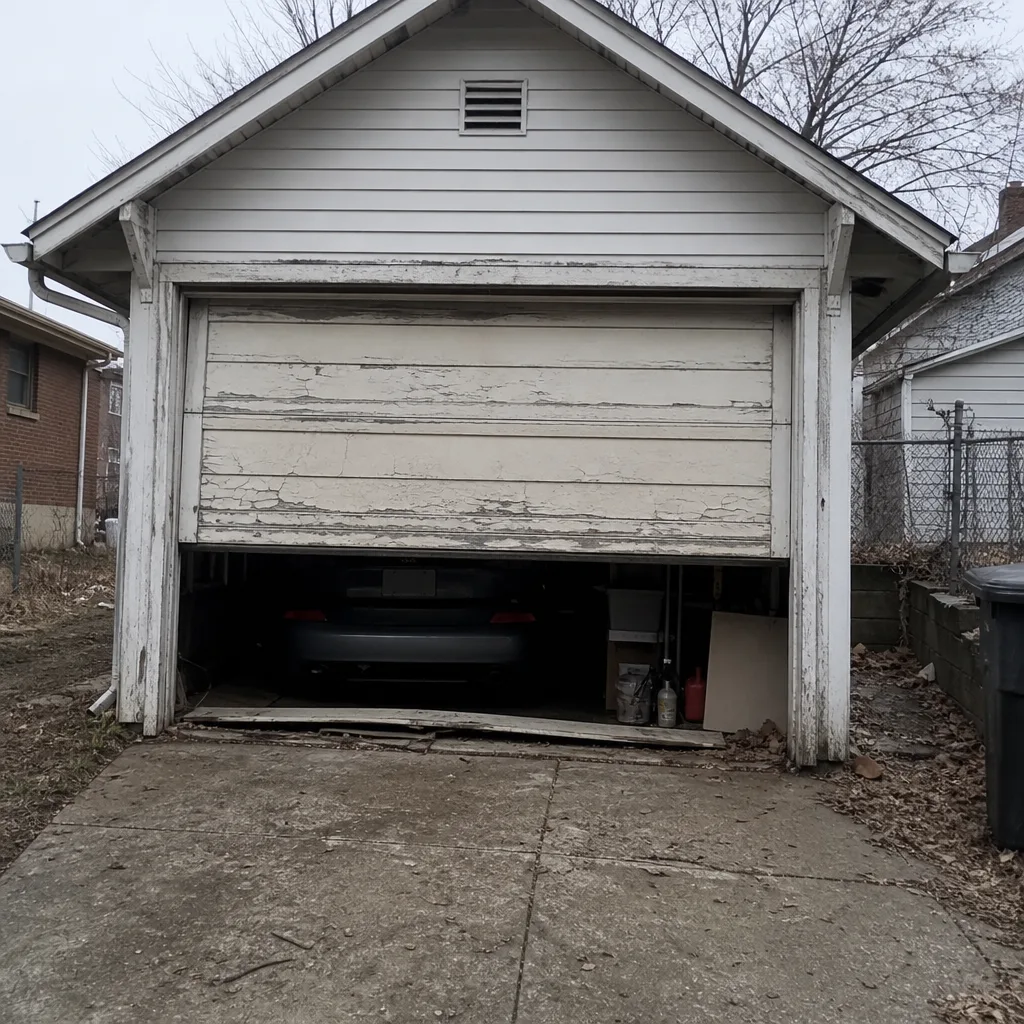 Before
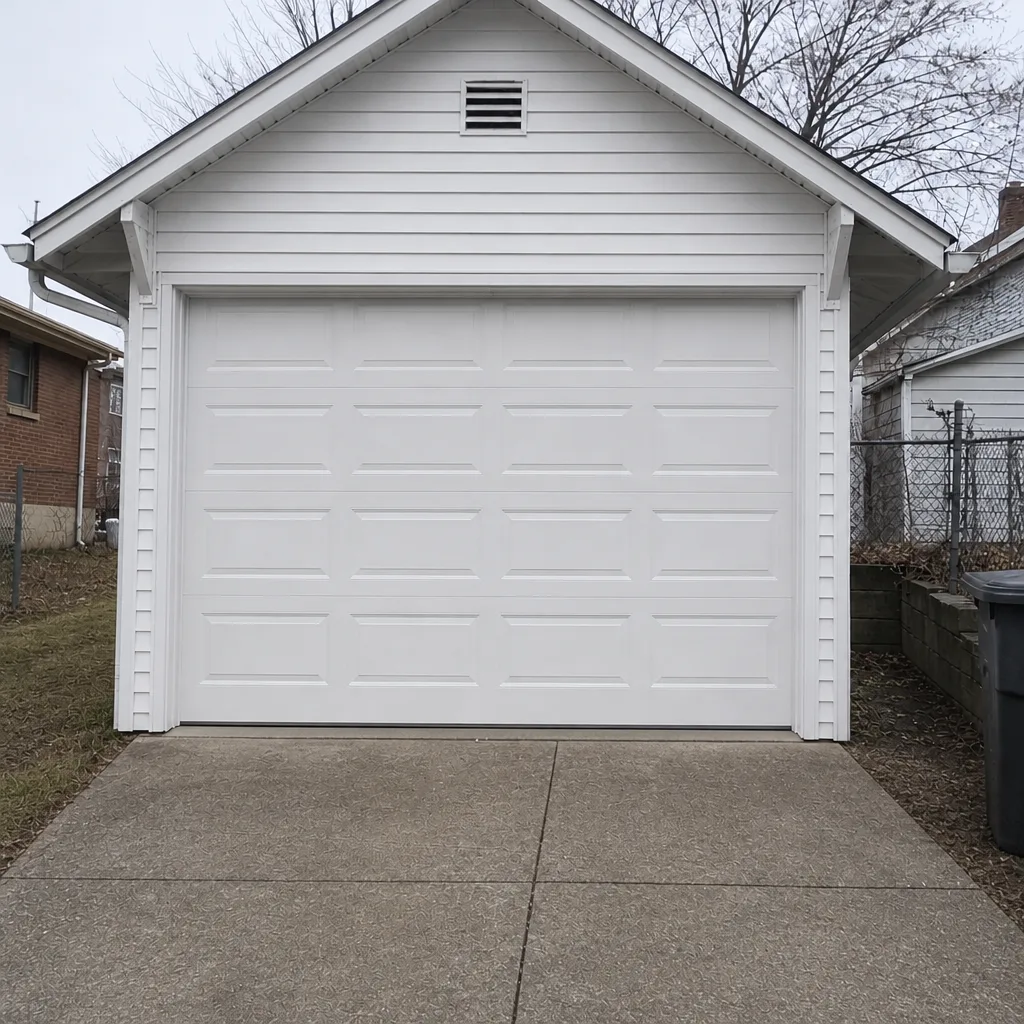 After
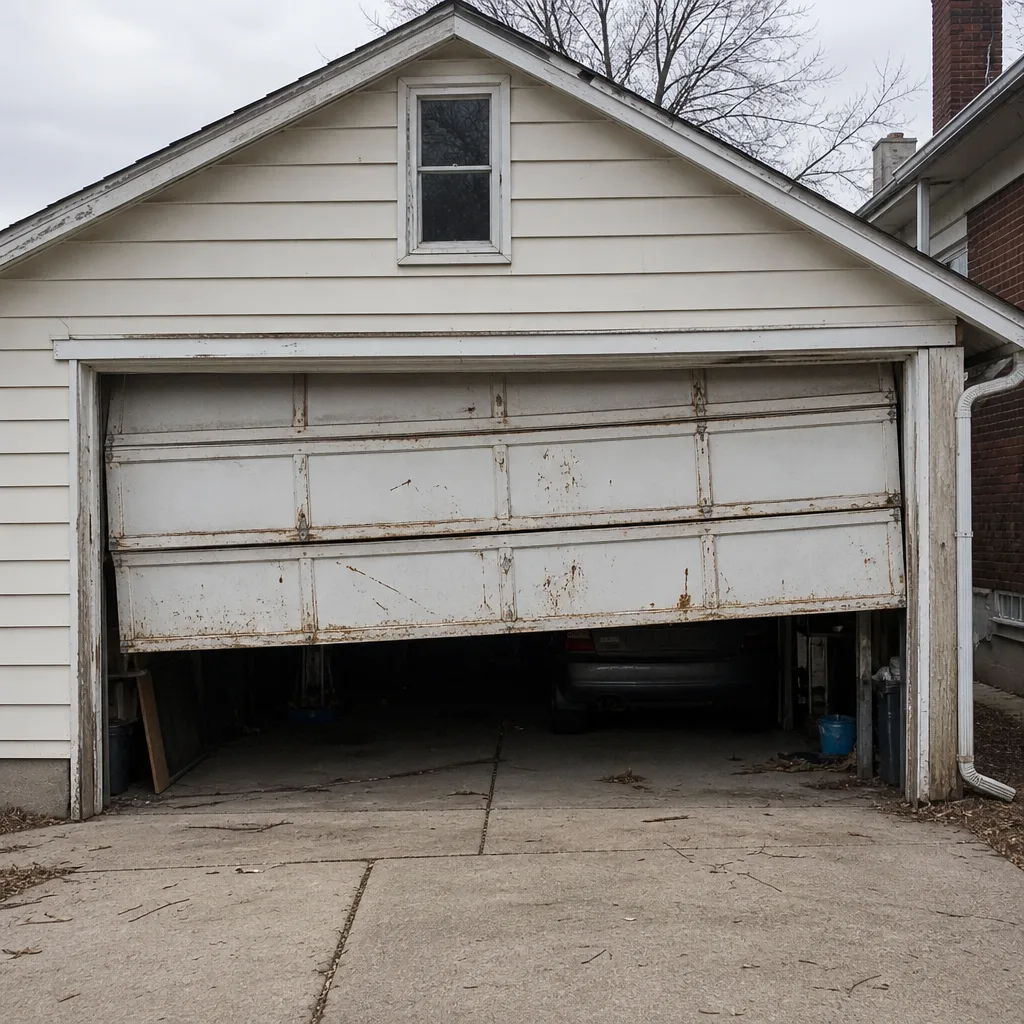 Before
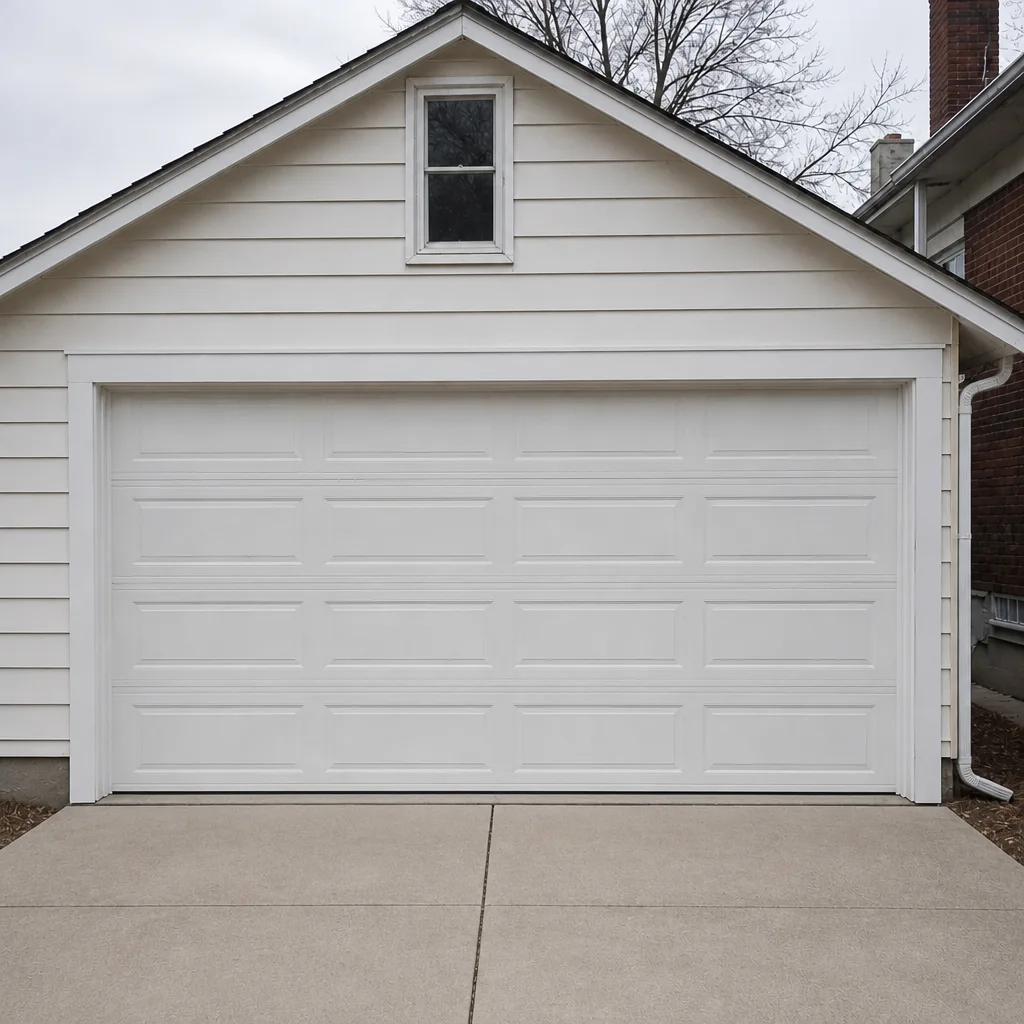 After
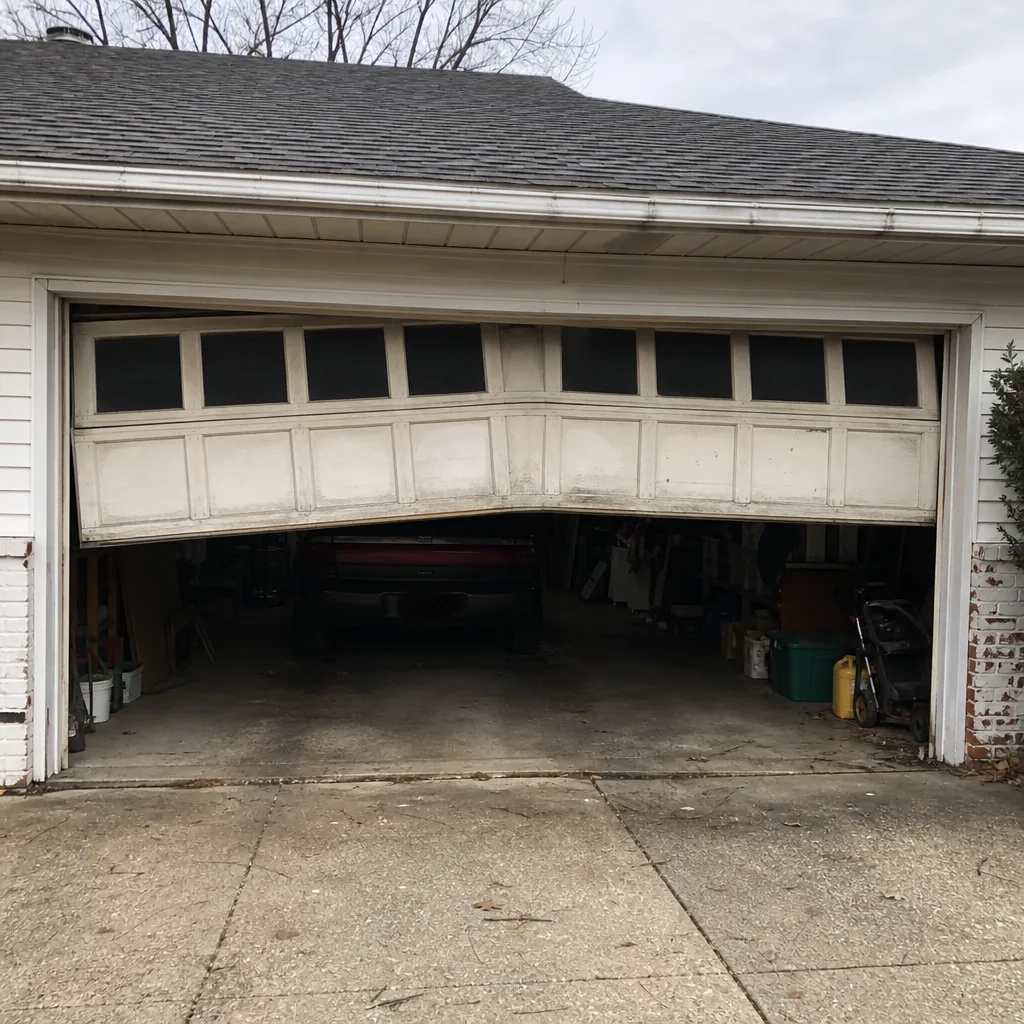 Before
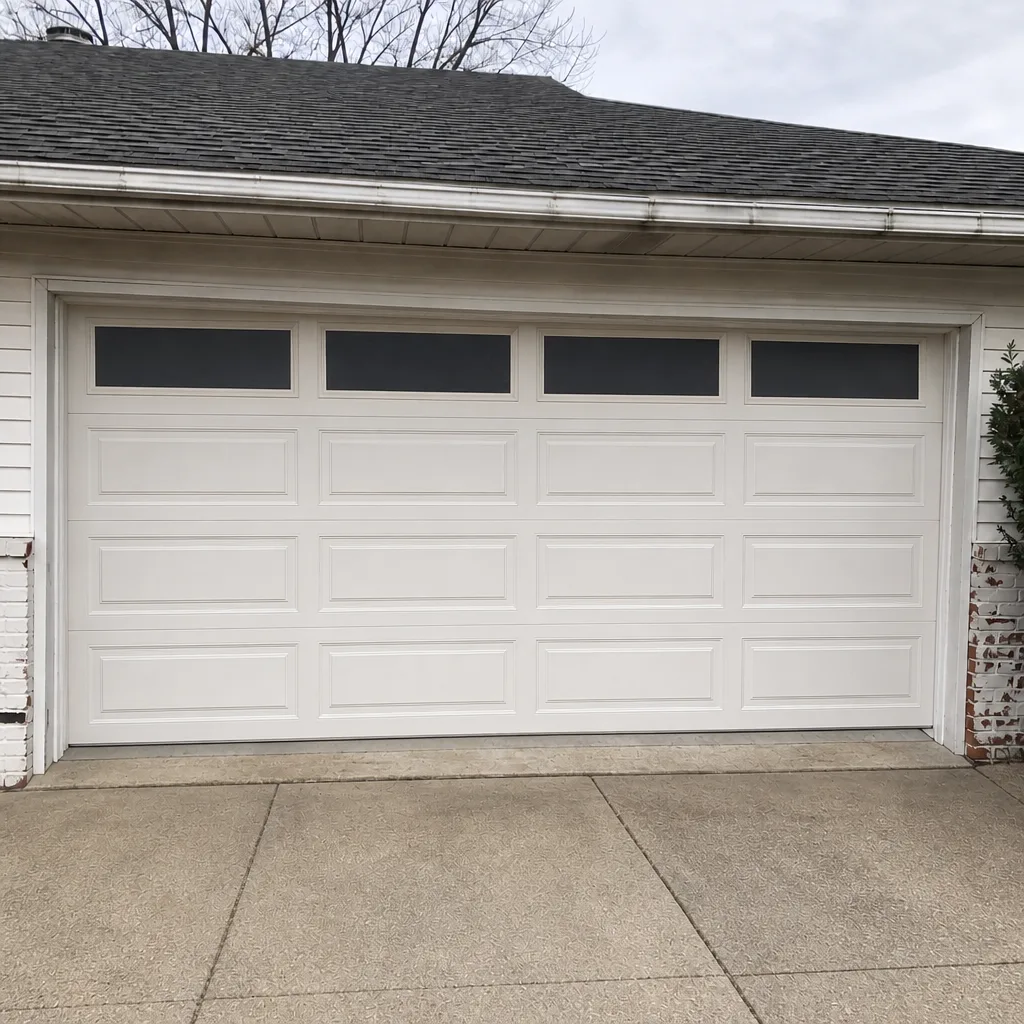 After